How to fly safely with severe food allergies: the ultimate airline survival guide.

From pre-boarding strategies to the essential wipe-down ritual, here is how to navigate commercial flights with absolute confidence and zero anxiety.

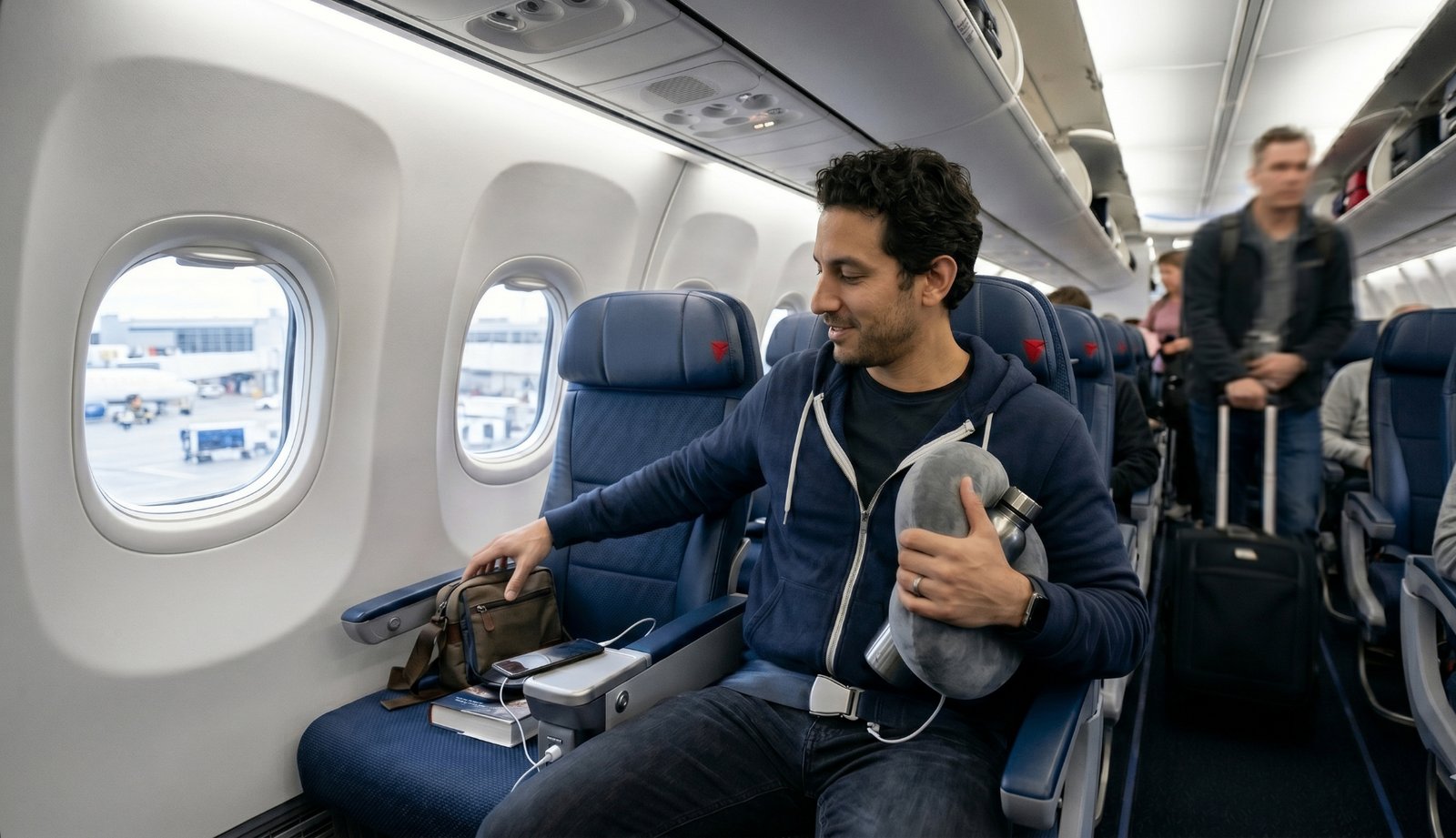
Smiling traveler settling into an airplane seat with carry-on bag, phone, and travel pillow

Flying with severe food allergies introduces a unique layer of anxiety because you are in an enclosed space, thousands of feet in the air, miles away from a hospital. However, with a proactive preparation strategy, you can drastically minimize risks and fly with confidence.

Here is a step-by-step blueprint for managing food allergies while flying, broken down into chronological order.

01

Booking the flight (pre-trip prep)

  • Research airline allergy policies. Not all airlines handle allergies the same way. Some (like Delta and JetBlue) allow passengers to pre-board to wipe down seats, while others will create a "buffer zone" — refraining from serving your allergen in your row — if notified.
  • Flag your account. When booking online, look for the "Special Assistance" or "Dietary Restrictions" tab. Check the box for food allergies and enter your specific allergens.
  • Book morning flights. Airplanes are deep-cleaned overnight. Morning flights generally have a lower baseline level of residual food crumbs and oils on tray tables and armrests compared to late-night flights.

02

At the airport & boarding

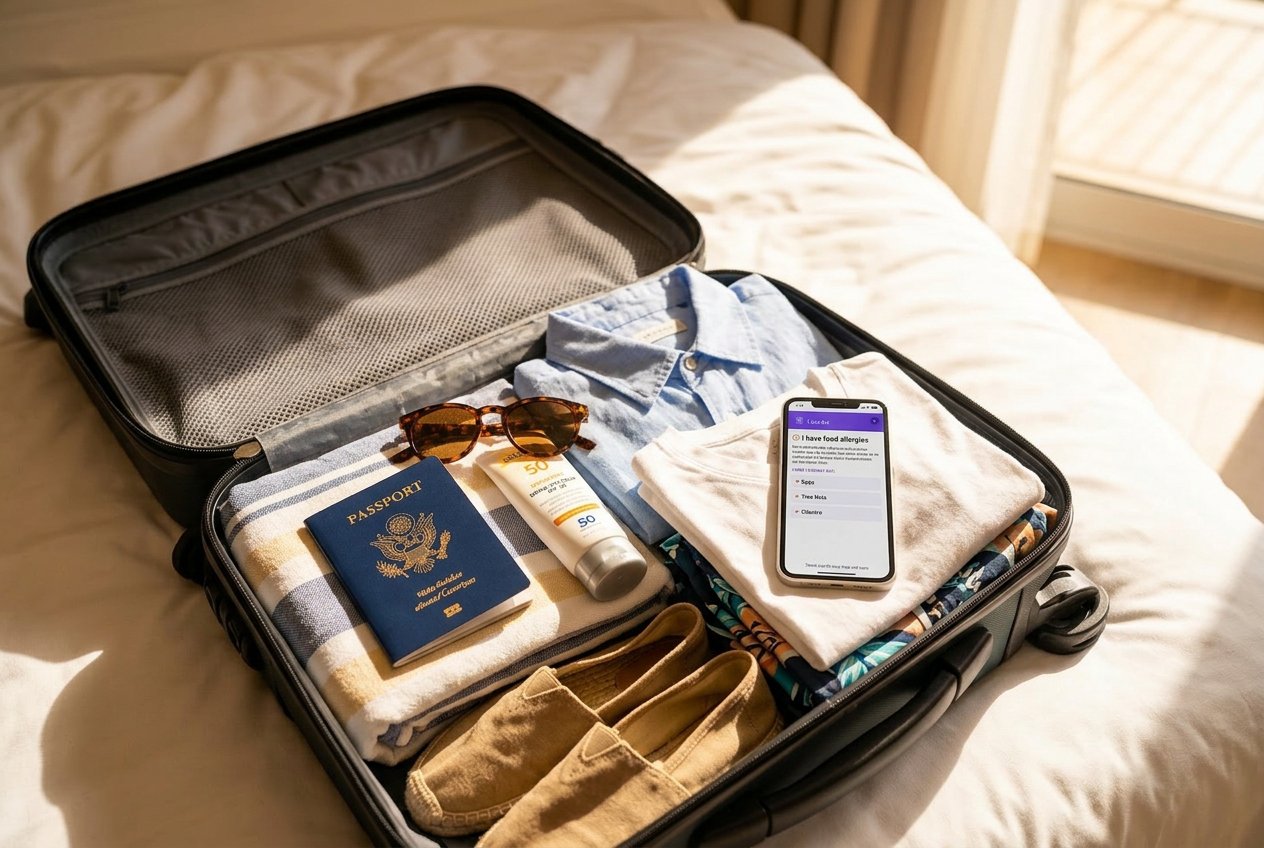
  • Pack TSA-compliant medication. Keep your EpiPens / Auvi-Q injectors and emergency medications in your carry-on bag — never in checked luggage, where cargo-hold temperatures can degrade epinephrine. Liquid antihistamines are exempt from the standard 3.4-ounce TSA rule if declared as medically necessary.
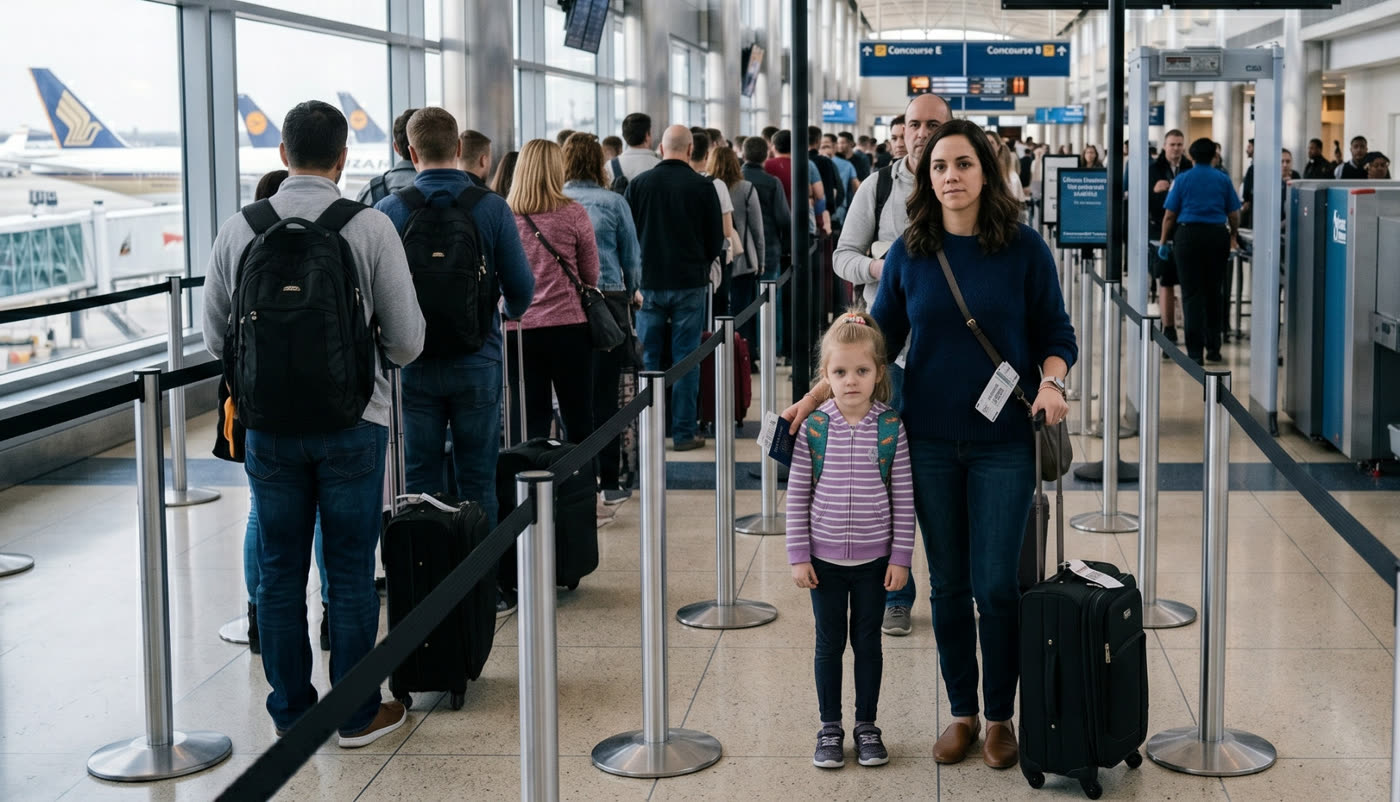
  • Inform the gate agent. Speak to the gate agent 30 minutes before boarding. Request priority pre-boarding so you can clean your seating area before the rush of passengers.
  • Notify the flight crew. As you step onto the aircraft, politely mention your allergy to the lead flight attendant. If you have an airborne contact allergy (like peanuts or tree nuts), ask if they can make an announcement asking passengers in your immediate rows to refrain from eating those specific foods.
03

At your seat (the containment strategy)

The wipe-down ritual. Food allergy proteins are resilient and do not die from hand sanitizer gel. Bring specialized cleaning wipes (like Clorox or standard wet wipes) and vigorously clean:

  • The tray table (front, back, and latch)
  • The armrests and seatbelt buckle
  • The window shade and air vent nozzle
  • The in-flight entertainment screen and buttons

Bring a seat cover. If you have severe skin-contact reactions, consider buying a disposable or washable fabric seat cover to act as a barrier between your skin and clothes and the airplane upholstery.

04

In the air (safe eating)

  • Pack your own food. Never rely on the airline's safe-meal alternatives, even if you pre-ordered a special dietary plate. Flight menus change, meals get swapped, and cross-contamination in catering facilities is common. Pack shelf-stable, pre-vetted snacks from home.
  • Keep medication visible. Keep your epinephrine injectors in the seatback pocket right in front of you during the flight — never overhead in the bin where you can't reach them in a sudden emergency.
  • Wear long sleeves. Wearing pants and long sleeves reduces the surface area of your skin exposed to potential accidental contact from a neighbor's snack.

Your ultimate travel safety companion.

Navigating the airport terminal is only half the battle — finding safe food once you land in an unfamiliar city shouldn't be another source of stress. Before you board your flight, make sure you have Stuff I Can Eat on your phone. Set up your secure profile to instantly generate a translated digital allergy card for your destination, or use our AI scanner to cross-check any local restaurant menu in seconds.