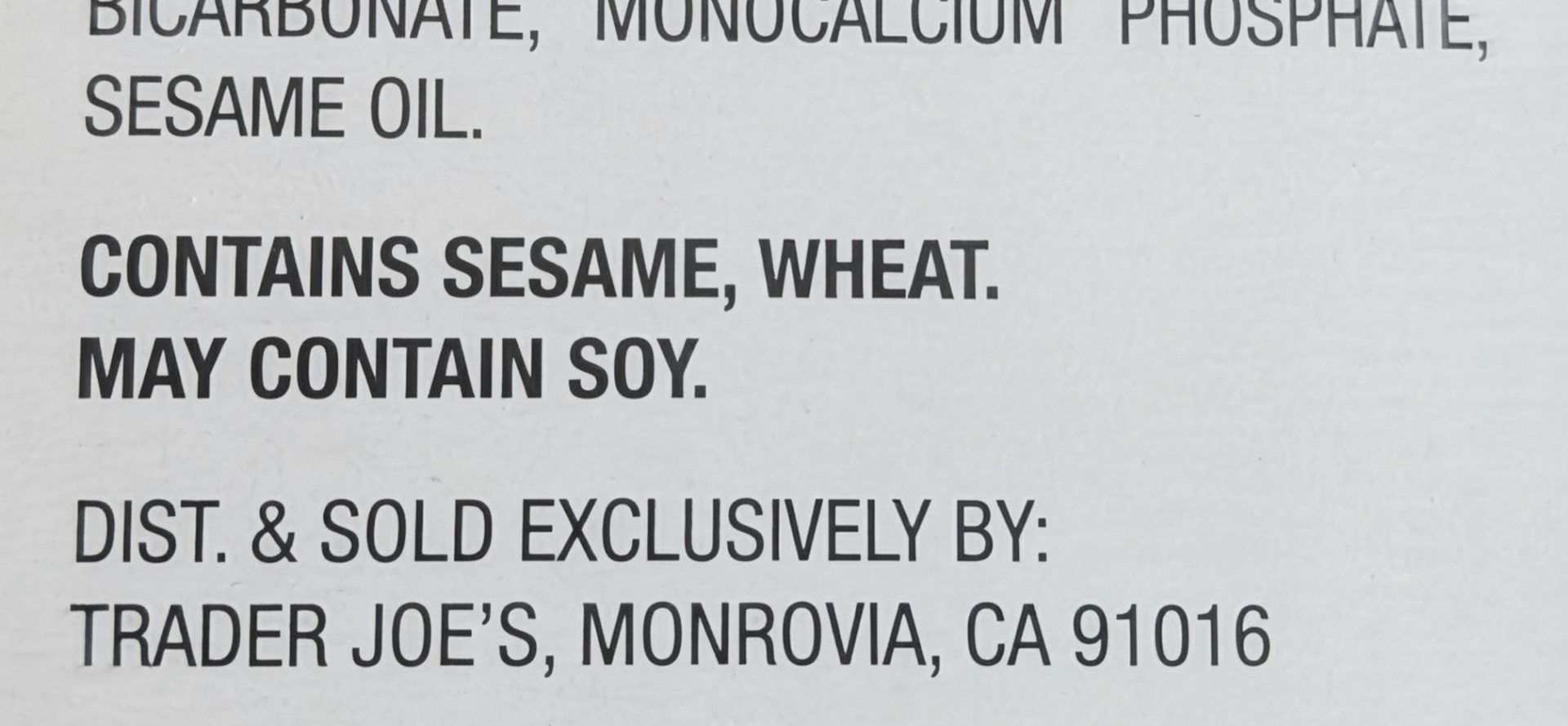
What does 'may contain' mean? Food allergy label guide.
"May contain" warnings are voluntary — and no warning doesn't mean a food is safe. What these labels really mean, and when to walk away.
Most grocery-store franks are not certified gluten-free — and wheat is only one of the fillers, binders, and preservatives packed into them. Here is exactly what to look for.
Last updated October 10, 2026 · Brand labels checked against current manufacturer statements

Some hot dogs are gluten-free, but most are not guaranteed to be. Wheat flour, wheat gluten, and wheat-derived modified food starch are common binders, and even wheat-free recipes are usually made on shared equipment. Beyond gluten, the same label often hides milk proteins, soy, nitrites, corn syrup, and garlic and onion tucked under the word “spices.”
Rule of thumb: if a package does not say certified gluten-free, treat it as unsafe for Celiac disease, and read the “Contains” line for milk, soy, and sesame every single time — recipes change between production runs. For a deeper look at those voluntary warnings, see what "may contain" statements actually mean.
The fastest way to a safe hot dog is to start with a brand that labels for it. These names come up again and again with gluten-free labeling:
Every Applegate hot dog — beef, turkey, and pork & beef — carries a gluten-free label, and most are also casein-free and dairy-free. The trade-off is price: these sit at the premium end of the case.
All Hebrew National beef franks are labeled gluten-free ("no gluten — no kidding"). A voluntary gluten-free label means the product must test under 20 ppm, which is the threshold that matters for Celiac disease.
Boar's Head states that its entire product line — including its beef frankfurters — is gluten-free. You will find them at deli counters rather than the packaged-meat aisle.
Nathan's Famous beef franks, Sabrett skinless beef frankfurters, and Dietz & Watson franks commonly appear with gluten-free labeling — but formulas vary by product and plant, so read the package in your hand, not the one you remember.
Labels change between production runs and plants. Treat this list as a starting point and confirm the “gluten-free” statement on the exact package you buy — or scan the label with Stuff I Can Eat to check it against your full allergy profile in seconds.
When you think of a traditional hot dog, you probably just think of seasoned, processed meat. But for anyone managing severe food allergies, Celiac disease, or chemical food sensitivities, a standard hot dog can be an absolute minefield — and knowing whether you are dealing with a true allergy versus a gluten intolerance matters when you set your risk tolerance.
To keep production costs low, ensure moisture retention, and maintain a long shelf life, commercial food manufacturers frequently use cheap fillers and chemical preservatives. Unfortunately, many of these ingredients masquerade under vague, generic names on the nutritional label — much like the hidden gluten sources found throughout the grocery aisle.
Before you fire up the grill for your next family cookout, here is a complete breakdown of the hidden ingredients commonly found in hot dogs that you need to watch out for.
You might expect to find meat on the ingredient list, but manufacturers regularly use common top allergens as texturizers and binding agents to hold the meat blend together — much like the sesame that turns up in restaurant food in disguised forms:
Many brands use modified milk ingredients, nonfat dry milk, lactose, sodium caseinate, or whey protein to improve texture.
Soy protein isolate, soy flour, and hydrolyzed soy protein are widely utilized as inexpensive fillers to add bulk to mass-produced brands.
Traditional hot dogs often include wheat flour, wheat gluten, or modified food starch derived from wheat to act as a binder. Even if a hot dog doesn't contain wheat ingredients, cross-contamination on shared manufacturing lines is incredibly common.
If you experience systemic reactions like skin flushing, hives, or chronic migraines, the preservatives used to cure the meat could be the primary culprit:
Used as curing agents to prevent bacterial growth and give hot dogs their distinct pink color. Nitrites are a notorious, well-documented trigger for severe migraines and skin flushes.
Added to boost the savory flavor profile. It is often masked under technical terms like "hydrolyzed vegetable protein" or "autolyzed yeast extract" and can cause headaches, sweating, and chest tightness in sensitive individuals.
For those dealing with Irritable Bowel Syndrome (IBS) or severe allium intolerances, hot dogs are a frequent source of "mystery" digestive distress due to flavorings:
Because federal labeling laws allow manufacturers to group seasonings under the generic terms "Spices" or "Flavorings," garlic and onion are almost always hiding in plain sight without being explicitly named.
Added to many commercial brands for a touch of sweetness, which can trigger symptoms in anyone dealing with fructose malabsorption.
If you have developed Alpha-Gal Syndrome (the tick-borne mammal meat allergy), traditional beef and pork hot dogs are strictly off-limits. You will need to hunt for certified 100% poultry (chicken or turkey) alternatives. Additionally, high-end "snap" franks often use natural sheep or pork collagen casings, which will trigger the same mammalian protein reaction.
You do not need to memorize every ingredient name. Work through the package in this order:
U.S. law requires the top 9 allergens — milk, egg, fish, shellfish, tree nuts, peanuts, wheat, soy, and sesame — to be named plainly. That single line catches most of the risk in about three seconds.
Modified food starch, wheat gluten, soy protein isolate, sodium caseinate, whey, nonfat dry milk, and “modified milk ingredients” are all texture helpers, not meat.
“No gluten ingredients” is a recipe statement. “Certified gluten-free” means the finished product was tested under 20 ppm, which is what matters with shared lines.
Natural casings are usually sheep or pork collagen — a problem for Alpha-Gal Syndrome. Uncured franks still use celery powder, which is a nitrate source for migraine triggers.
Buns routinely add wheat, milk, soy flour, and sesame. People check the frank and forget the thing wrapped around it.
Manufacturers reformulate quietly and run the same recipe in different plants. A brand that was safe last summer is not automatically safe this one.
Some are, but most are not guaranteed to be. Many franks use wheat flour, wheat gluten, or modified food starch as a binder, and even wheat-free recipes are often made on shared lines. Only trust a frank labeled certified gluten-free, and always re-read the label, because recipes change between production runs.
Often, yes. Nonfat dry milk, sodium caseinate, whey protein, lactose, and 'modified milk ingredients' are all used to improve texture and moisture. In the U.S., milk is a top-9 allergen and must be declared, so check the bolded 'Contains' line under the ingredient list.
Look for a short ingredient list: meat, water, salt, and spices, with a certified gluten-free or allergen-free claim. All-beef uncured franks tend to have fewer binders than economy blends, but you still need to check for garlic, onion, corn syrup, and nitrites depending on your triggers.
Frequently. Standard buns contain wheat, and many also contain milk, soy flour, and sesame — sesame is now a labeled U.S. allergen and appears in more buns than people expect. Check the bun label separately from the frank.
U.S. labeling rules let manufacturers group seasonings under 'spices' or 'flavorings' without naming each one. Garlic and onion are almost always in there, which matters for allium intolerance and low-FODMAP diets. Only the top-9 allergens must be named specifically.
Flipping over packages and scanning microscopic text for hidden dairy, wheat, or mystery "flavorings" takes the joy out of food shopping. You shouldn't have to guess whether a backyard favorite is safe for your family.
Let Stuff I Can Eat handle the fine print for you. With your free account, you can instantly protect your health across your entire lifestyle:
More practical guides to help you eat safely and confidently.
"May contain" warnings are voluntary — and no warning doesn't mean a food is safe. What these labels really mean, and when to walk away.

Scan a barcode or snap an ingredient label and see instantly whether a packaged food is safe for your allergies — a step-by-step walkthrough.

A free printable list of every deceptive ingredient name that hides gluten — wheat aliases, barley malt traps, red-flag additives, and safe lookalikes.