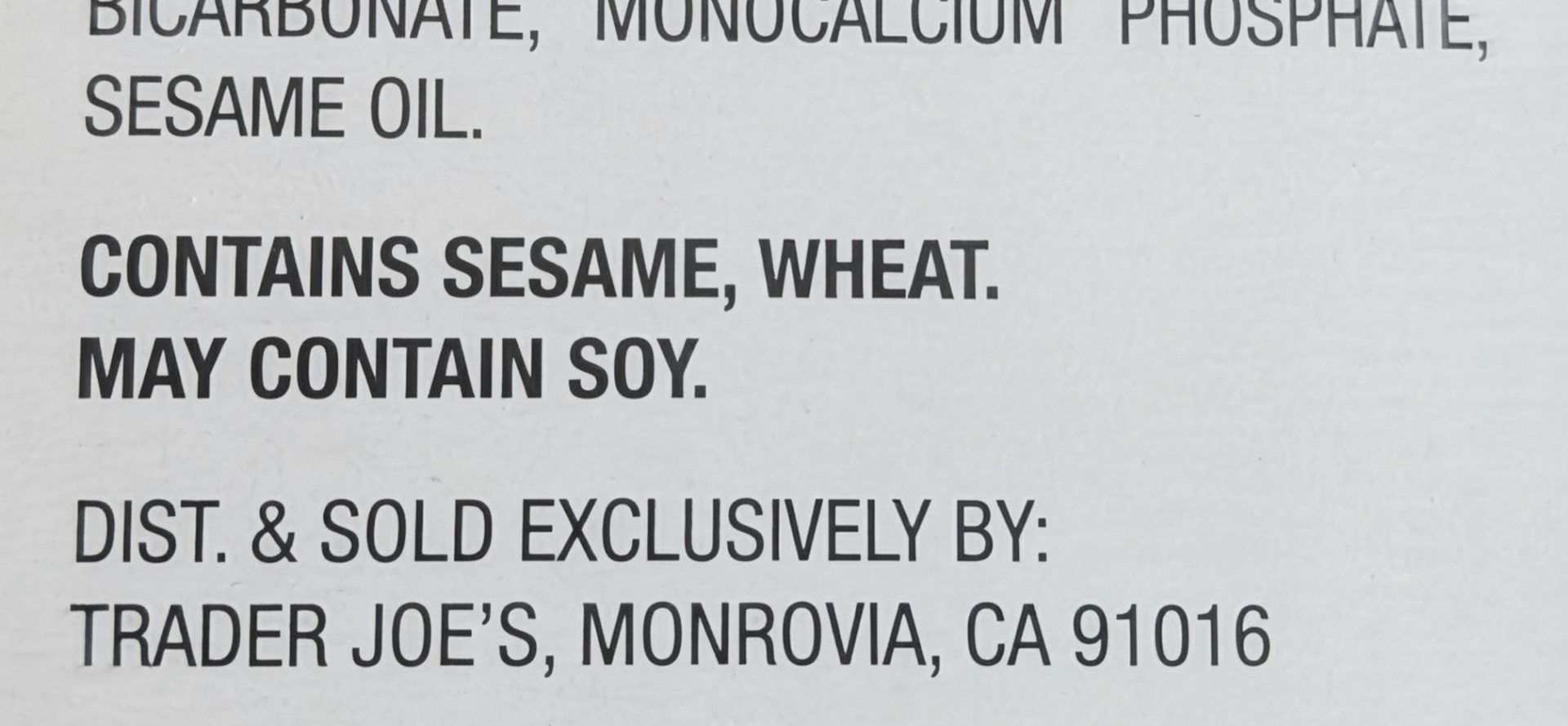
What does 'may contain' mean? Precautionary food labels explained.
Confused by "May contain peanuts" or "Processed in a facility" warnings on grocery packaging? Learn what precautionary allergen labeling really means and how to shop safely.
How to decode complex food packaging labels and avoid sneaky wheat, barley, and rye derivatives.
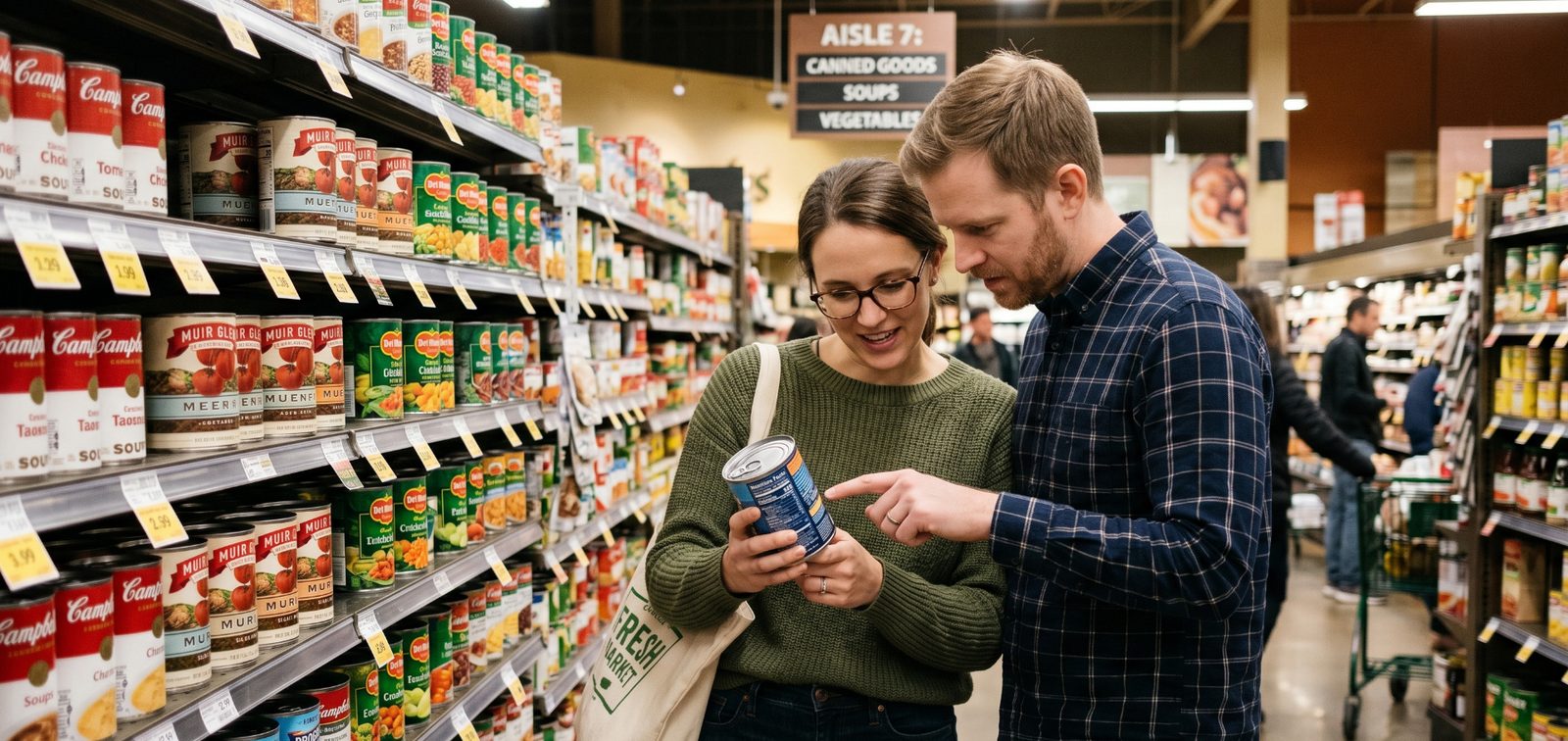
Living strictly gluten-free means becoming an expert detective in the grocery store aisles. While finding a bold "Contains: Wheat" allergen warning is straightforward, gluten is a master of disguise. Thanks to its excellent capabilities as a binder, structural thickener, and flavor carrier, it frequently sneaks into processed foods under technical terms that don't explicitly say "gluten," "wheat," "barley," or "rye." It is worth also understanding what precautionary "may contain" warnings actually mean, since they work very differently from the mandatory ingredient list.
To keep your kitchen truly safe, you need to know exactly which ingredients to watch out for. Below is your comprehensive field guide to navigating grocery packages confidently, and if you shop imported goods, our guide to global food allergen labeling rules is a useful companion.
If you see any of these technical names on a grocery package, the item is highly likely to contain gluten unless the product carries an explicit, verified certification label:
Includes malt extract, malt syrup, malt flavoring, and malt vinegar. Derived directly from barley, it is pervasive in crispy rice cereals, cornflakes, artisanal chocolates, and sweet barbecue sauces.
A byproduct of beer brewing, brewer's yeast is structurally rich in gluten. It is a common flavor enhancer in savory snack crisps, gravies, and various wellness supplements.
A modified protein used heavily to optimize texture and retain moisture in processed deli meats, pre-packaged spice blends, and frozen meals.
Widely featured in plant-based diets, seitan is explicitly concentrated wheat gluten used as a high-protein base for vegetarian meat alternatives.
Often deployed as a stabilizing agent. Crucial note: If a product is certified "Gluten-Free" but features wheat starch, the starch has been specialized to remove gluten under 20 ppm. If the pack lacks a verified GF label, consider it unsafe.
In domestic manufacturing, if these texturizers are derived from wheat, regulations require the label to declare "contains wheat." However, in imported specialty goods, these terms can occasionally mask undocumented wheat or barley derivatives.
Many common grocery essentials seem entirely safe on the surface but frequently hide gluten structural components. Review this quick reference breakdown before your next grocery run:
| Food category | The sneaky component | Safe kitchen alternative |
|---|---|---|
| Soy Sauce & Teriyaki | Traditional brewing formulations use wheat as a primary structural ingredient. | Opt for 100% soy tamari or clean coconut aminos. |
| Soups, Bouillon & Gravies | Commercial canned soups and dry cubes use wheat flour or wheat starch as an inexpensive thickener. | Select certified gluten-free broths; thicken home recipes with cornstarch or arrowroot. |
| Salad Dressings | Frequently uses malt vinegar (barley-derived), soy sauce, or stabilizing flour thickeners. | Use simple oil and vinegar blends, or select explicit gluten-free brands. |
| Processed Deli Meats | Pre-sliced cold cuts, hot dogs, and meatballs regularly incorporate wheat-based binders or fillings. | Review the fine print thoroughly for structural fillers or hydrolyzed plant proteins. |
| Flavored Snack Chips | While whole potatoes or corn are safe, powdered flavor blends (like BBQ or sour cream) use wheat starch carriers. | Stick to plain salted varieties or check the seasoning breakdowns carefully. |
| Plant-Based Meats | Veggie burgers and mock seafood rely heavily on isolated wheat gluten (seitan) to match meat textures. | Choose natural tofu, tempeh, or clean bean-based options verified to be gluten-free. |
Oats occupy a unique category. Structurally, pure oats are entirely free from gluten. However, because they are traditionally grown alongside wheat crops, harvested using the same machinery, and processed in shared industrial facilities, standard oats carry an incredibly high risk of cross-contact.
Unless a package specifically bears a "Certified Gluten-Free Oats" or "Gluten-Free Oats" designation, standard rolled, steel-cut, or instant oats from the baking aisle should be considered unsafe for strict allergen diets. If you are still sorting out whether your symptoms point to Celiac disease versus another sensitivity, our food allergy vs. food intolerance guide can help.
To protect your household or your guests, apply this simple verification workflow to every item that enters your shopping cart:
Scan for an official certified GF seal or a clear "Gluten-Free" claim. This confirms the product meets stringent safety thresholds below 20 parts per million (ppm).
Quickly read the bottom of the block for a bold "Contains: Wheat" label. Remember that "Wheat-Free" does not mean Gluten-Free — barley malt or rye components will not trigger a wheat warning.
Dedicate five seconds to reading the actual text line-by-line. Keep an eye out for the critical red flags: Malt, Barley, Rye, Brewer's Yeast, and Hydrolyzed Wheat Protein.
Memorizing every technical code name for hidden gluten is a full-time job. You shouldn't have to spend your grocery shopping trips squinting at tiny font sizes, digging through search engines, or second-guessing your safety before tossing an item into your cart.
Let Stuff I Can Eat do the heavy lifting for you. Scan grocery labels while you shop. Snap a quick photo of any ingredient list to instantly verify if it's safe, cross-checking for hidden gluten derivatives in seconds.
More practical guides to help you eat safely and confidently.
Confused by "May contain peanuts" or "Processed in a facility" warnings on grocery packaging? Learn what precautionary allergen labeling really means and how to shop safely.

Scan a barcode or snap an ingredient label and see instantly whether a packaged food is safe for your allergies — a step-by-step walkthrough.

A free printable list of every deceptive ingredient name that hides gluten — wheat aliases, barley malt traps, red-flag additives, and safe lookalikes.