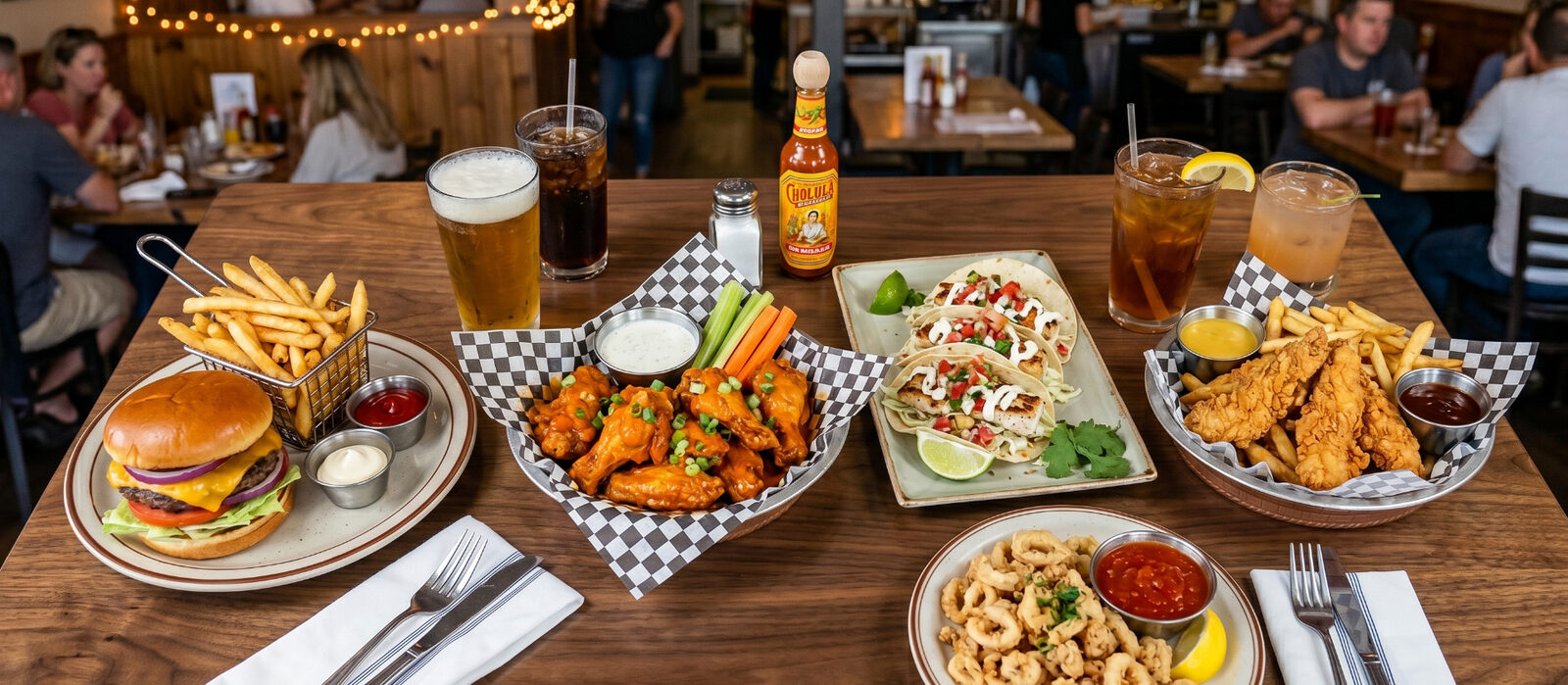
Hidden sesame ingredients in restaurant food.

Sesame is famous for sitting on top of hamburger buns — but in restaurant kitchens, it's a master of disguise.

While sesame is famous for sitting right on top of hamburger buns or floating in clear view on sushi rolls, it is a master of disguise in restaurant kitchens. Because sesame oil, pastes, and flours are incredible flavor enhancers and thickeners, they end up in dishes where you'd least expect them.

The most common restaurant dishes where sesame secretly hides fall into several culinary categories.

01

Soups, Sauces, and Stews

Because sesame blends beautifully into liquids, it is frequently used to add depth, richness, or thickness to savory sauces without leaving a visible trace.

  • Mole Poblano (Mexican)

    While many know this traditional dark sauce contains chili and chocolate, authentic recipes almost always blend in toasted sesame seeds (along with pumpkin seeds or nuts) to thicken the sauce and add a complex, earthy flavor.

  • Gochujang and Korean BBQ Marinades

    Many Korean stews, wing sauces, and meat marinades (like bulgogi) rely heavily on toasted sesame oil for that signature aroma. Even if you don't see seeds, the oil is likely woven into the liquid.

  • Gravies and Curries

    Some modern or fusion restaurants use sesame paste (tahini) or sesame flour as a gluten-free thickening agent for rich gravies and complex curry bases.

02

Dips and Dressings

Emulsified sauces are classic hiding spots for sesame because the ingredient is completely pulverized into a smooth cream.

  • Hummus and Baba Ghanoush (Middle Eastern/Mediterranean)

    These dips get their rich, creamy texture from tahini, which is simply 100% ground sesame paste.

  • House Salad Dressings

    The standard "ginger dressing" served with side salads at many Japanese restaurants, as well as various "house vinaigrettes" at fusion places, heavily feature sesame oil or sesame paste to create body and a nutty flavor profile.

03

Breads and Fried Foods

Baked goods and fried items present a double threat: hidden ingredients in the dough/batter, and massive cross-contamination risks.

  • Pizza Dough and Specialty Crusts

    To comply with strict manufacturing allergen laws regarding shared equipment, some commercial baking suppliers actually added a tiny amount of sesame flour directly into their standard dough recipes. Additionally, high-end pizza shops sometimes brush the crust with sesame oil for flavor.

  • Fried Appetizers (Calamari, Chicken Tenders)

    Restaurants frequently reuse breadcrumbs from sandwich prep to make their frying batters. If a kitchen serves a sandwich on a sesame seed bun, those loose seeds easily find their way into the communal breadcrumb bin and stick to your "plain" fried chicken or calamari.

  • Veggie Burgers

    Plant-based patties often use sesame seeds, sesame flour, or sesame oil as a binder and flavor enhancer to mimic the savory depth of real meat.

04

Sweets and Desserts

Even the dessert menu isn't safe — sesame turns up in confections and frozen treats far more often than most diners realize.

  • Halvah

    A dense, crumbly confection common in Middle Eastern and Central Asian cuisines, halvah is primarily made from tahini (sesame paste) and sugar.

  • Ice Creams and Gelatos

    Dark "charcoal" ice creams or gray-toned treats are frequently flavored with black sesame paste, which offers a distinctly nutty, savory-sweet profile.

A note on sesame oil

Unlike highly refined peanut or soybean oils (which often have the allergenic proteins stripped out during processing), sesame oil is typically not highly refined. Cold-pressed or toasted sesame oil retains the vast majority of its allergen proteins, meaning it triggers reactions just as easily as the whole seed.

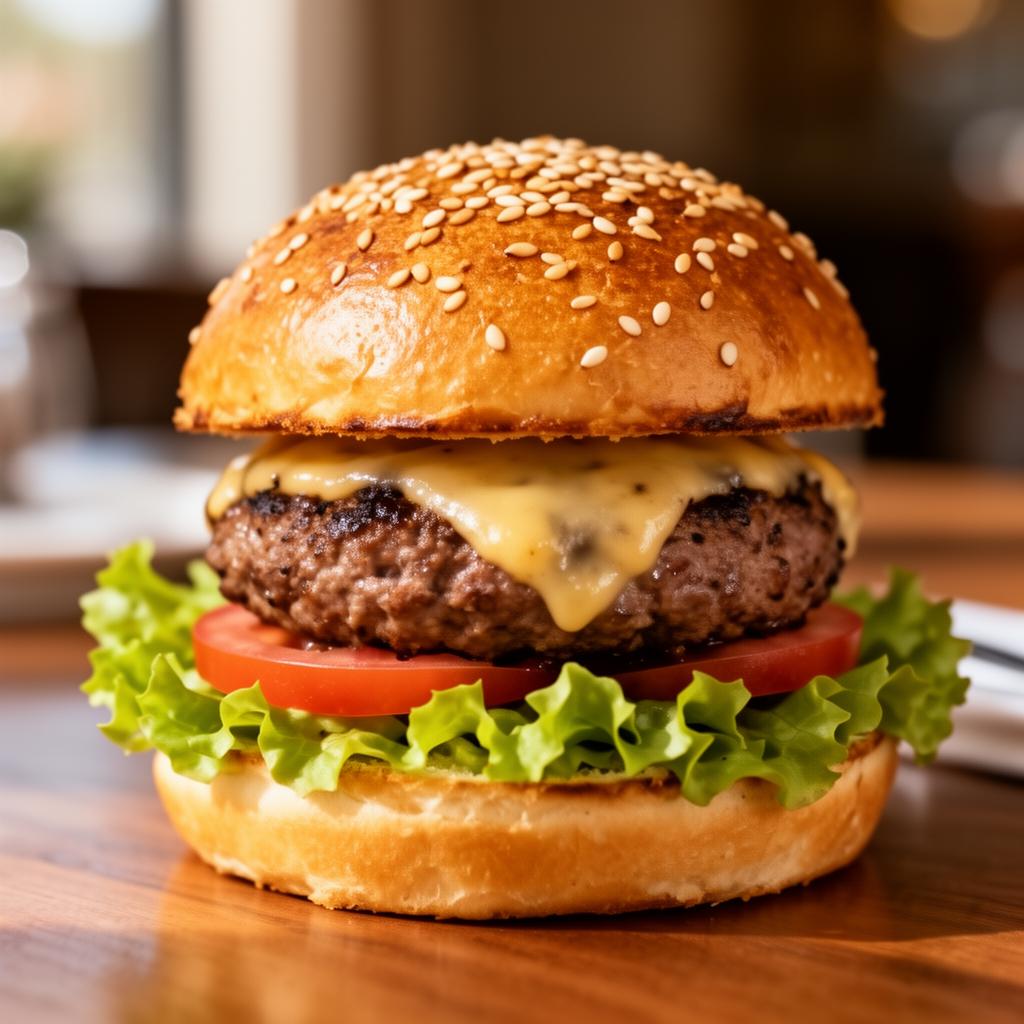
Close-up of a gourmet hamburger with a toasted sesame seed bun

Stop guessing about sesame ingredients.

Use Stuff I Can Eat to instantly cross-check the entire menu at your table — and find out exactly where sesame is hiding.