The vacation allergy checklist: travel without the stress.

Four common travel hurdles for food allergy families — and exactly how to overcome each one.

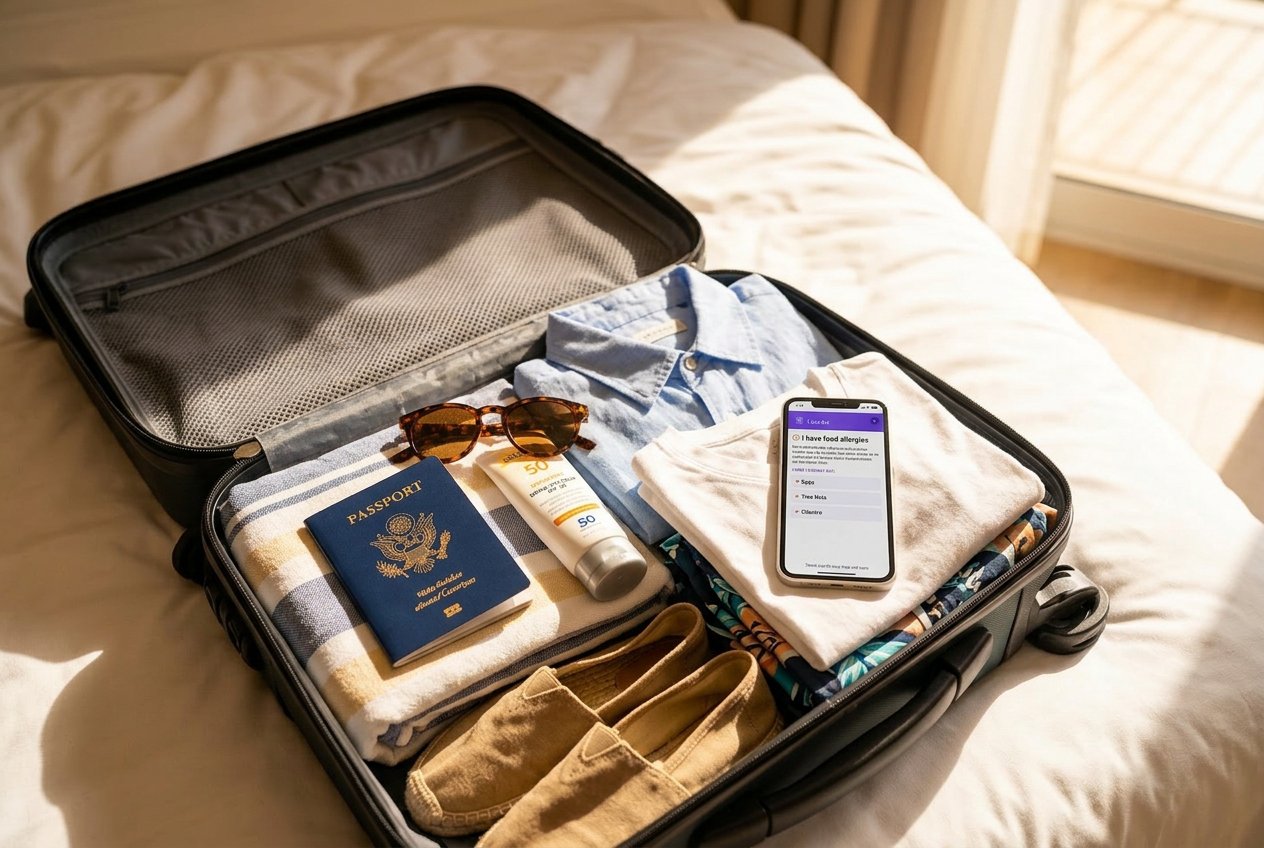
Open suitcase packed with passport, safe snacks, an epinephrine auto-injector, and a phone showing a digital allergy card

Vacations are supposed to be a break from routine, but for anyone managing a food allergy, leaving the safety of a controlled home kitchen can feel incredibly daunting. New restaurants, language barriers, and a lack of ingredient labels can quickly turn a relaxing trip into a stressful logistical challenge.

Fortunately, with the right strategy — and the right digital tools — you can explore the world without fear. Here are the four biggest vacation allergy hurdles and exactly how to overcome them.

01

The language barrier and local menu confusions

The problem

When traveling internationally, explaining the severity of an allergy to a server who doesn't speak your language is terrifying. Compounding this, different cultures use completely different names for the same hidden ingredients (like tahini or benne for sesame).

How to overcome it

Don't rely on generic online translation apps that don't understand cross-contamination risks. Before you head out, use a dedicated tool like stufficaneat.com to generate a multi-lingual digital allergy card. Supporting English, Spanish, French, and Mandarin, these cards clearly translate your specific allergens and medical needs, letting you hand your phone to a chef or server anywhere in the world with total confidence.

02

Playing "menu roulette" at new restaurants

The problem

Even if a dish looks safe on paper, vacation dining introduces massive cross-contamination hazards (like shared griddles or communal fryer oil). Deciphering a brand-new restaurant menu on the fly while hungry usually leads to high anxiety and limited, boring food choices.

How to overcome it

Take the guesswork out of the dining room. Instead of guessing what's safe, you can instantly check restaurant menus against your exact profile using the stufficaneat.com web app. The app cross-references menu items against your specific allergens and provides tailored, safe recommendations, allowing you to choose restaurants where you can actually enjoy a meal rather than just watching everyone else eat.

03

Lack of control during travel delays

The problem

Travel delays, unexpected layovers, and tiny airplane or train snack carts can leave you stranded with zero safe food options for hours at a time. Relying on airport kiosks or gas stations in an emergency is a high-stakes gamble.

How to overcome it

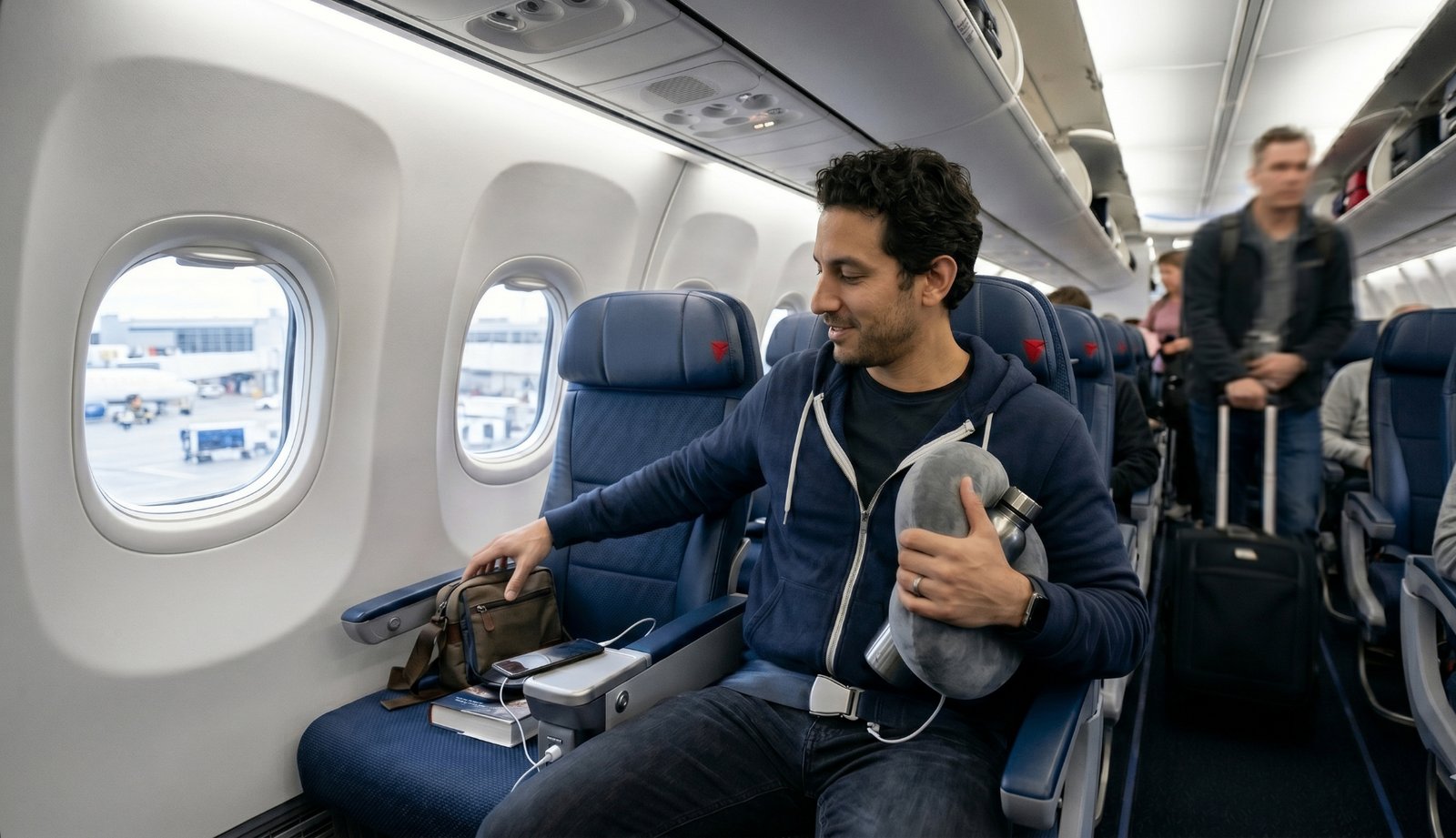
Pack for transit using the "Plus-One" rule. Always pack enough safe, non-perishable, protein-dense snacks to last your entire transit time plus an extra 24 hours in case of severe delays. Additionally, remember to carry travel-sized sanitizing wipes to clean your airplane tray table and armrests immediately upon boarding to clear out any residue left by previous passengers.

04

Managing the logistics of emergency meds

The problem

Running out of medication or having epinephrine ruin due to temperature fluctuations while far from home is a traveler's worst nightmare.

How to overcome it

Always carry at least two unexpired epinephrine auto-injectors in your carry-on luggage — never check them in the cargo hold, where temperatures freeze. Keep a physical copy of your emergency action plan with you, and before you even check into your hotel, take two minutes to pinpoint the location and driving distance of the nearest emergency room.

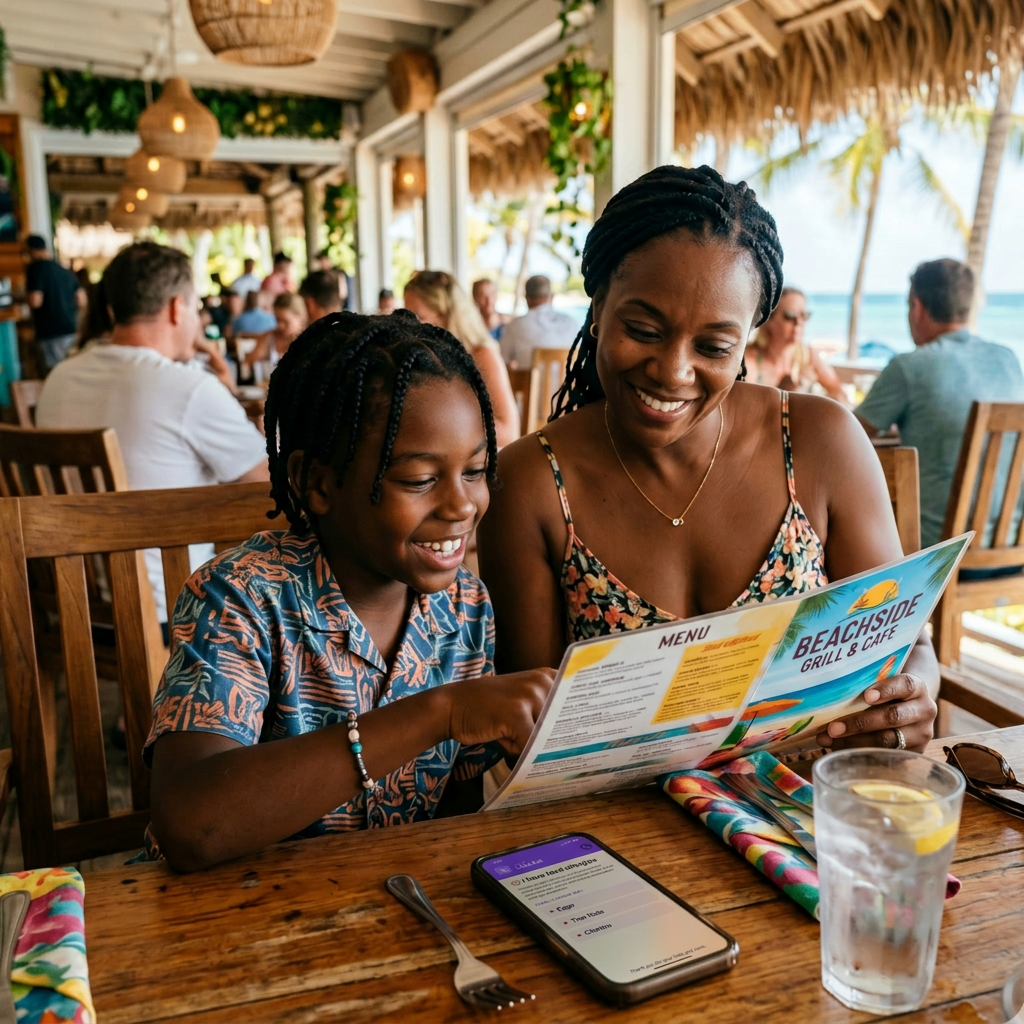
Smiling traveler at an outdoor European cafe showing a phone with a digital allergy card to a friendly server

Ready to travel safely?

Don't let food allergies dictate your itinerary. Build your profile, scan local menus, and generate your free digital translation cards before your next adventure.