Drinking safely with food allergies.

How to spot hidden allergens in cocktails, beer, and wine so you can socialise with total confidence.
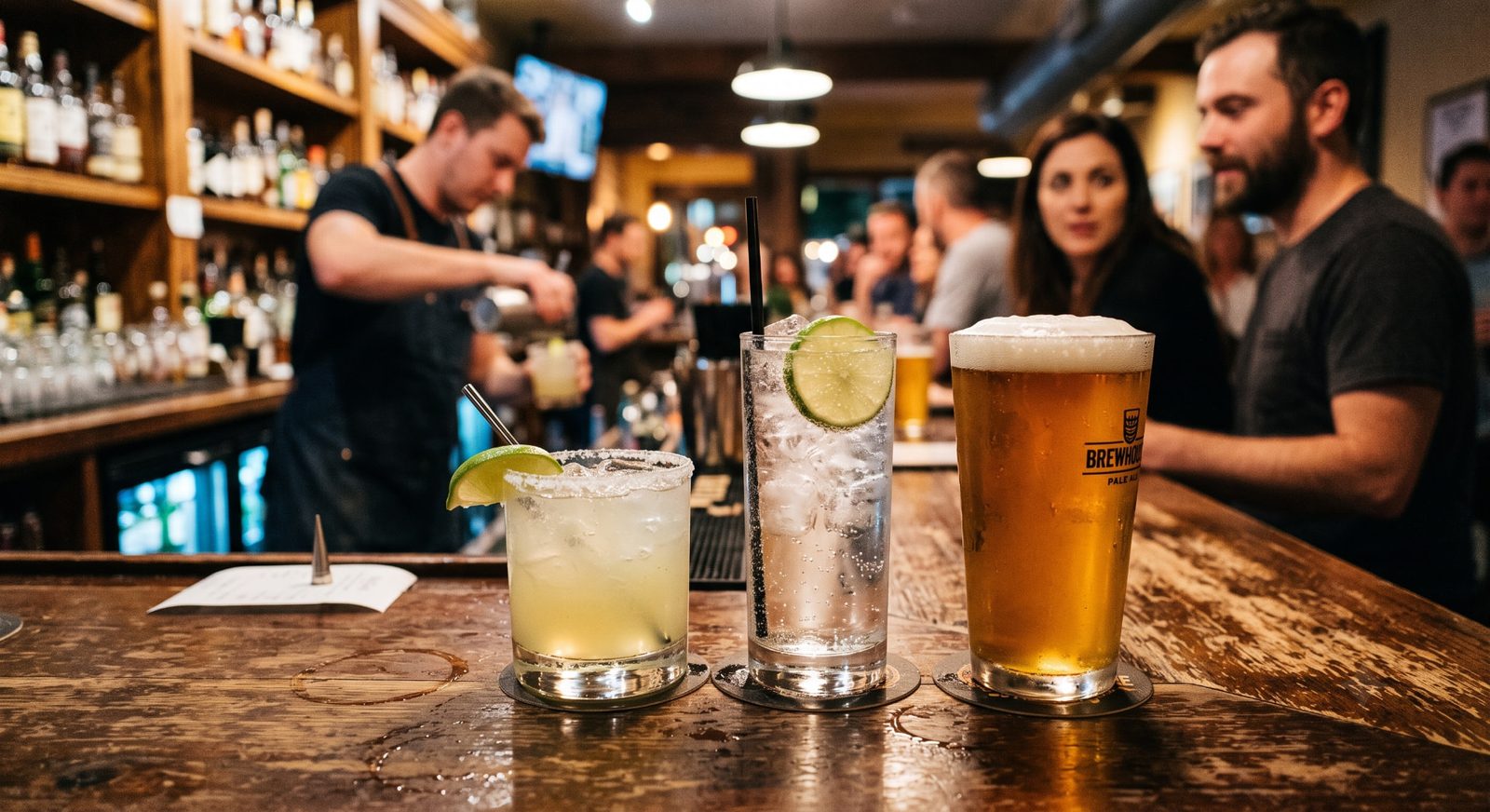
Margarita, sparkling water with lime, and a pint of pale ale lined up on a wooden bar top with a bartender mixing drinks in the background

Navigating social life with severe food allergies or Celiac disease requires constant vigilance, but happy hours, weddings, and late-night drinks present a unique set of hurdles. Unlike packaged foods, alcoholic beverages are often governed by different labeling laws, meaning full ingredient lists and allergen warnings are rarely printed on the bottle.

Whether it's hidden tree nut extracts in specialty liquors, dairy clarifiers in wine, or cross-contact at a packed bar, knowing what is in your glass is just as important as knowing what is on your plate.

This guide details the hidden hazards of alcoholic beverages and gives you practical, real-world strategies to protect yourself while enjoying everyday social life.

🛑 Primary challenges & hidden hazards

1. The "ingredient list" gap (labeling exemptions)

In the U.S., most alcoholic beverages are regulated by the TTB (Alcohol and Tobacco Tax and Trade Bureau) rather than the FDA.

The issue: Alcohol manufacturers are generally not required to disclose ingredients, sub-ingredients, or the "Top 9" major allergens on beverage labels. Unless a brand voluntarily includes a warning, you won't see a standard "Contains" box or allergen callout on a wine bottle or spirit label.

2. Hidden allergen derivations & processing agents

Allergens can enter alcoholic drinks at various stages of production:

  • Tree nuts & peanuts: Flavored liquors and bitters are common culprits — amaretto (often made from almond or apricot pits), Frangelico (hazelnut), Nocino (green walnuts), and peanut butter-flavored whiskies. Bitters frequently use tree nut extracts or barks for flavor complexity. Many gin distillers also use botanicals like almonds, or citrus peels crushed alongside nut extracts during distillation.
  • Dairy (milk/cream): Cream liqueurs — Irish cream, rum creams, and chocolate liqueurs — contain real dairy. Many modern craft cocktails use egg whites or heavy cream to create foam, and milk-clarified cocktails (milk punches) use milk during processing to remove tannins and clarify the drink.
  • Gluten & grains: Traditional beers are brewed from barley, wheat, or rye and contain significant gluten. Distillation technically removes gluten protein from grain-based spirits (like wheat vodka or rye whiskey), making plain distilled spirits safe for most — but post-distillation flavorings or colorings added back in can reintroduce gluten.
  • Finings & clarifiers (wine & cider): During winemaking, "fining agents" are added to clarify the liquid. Common fining agents include casein (milk protein), albumin (egg white), isinglass (fish protein), and gelatin. While mostly filtered out before bottling, microscopic protein traces can remain.
  • Sulfites: Sulfites occur naturally during wine fermentation and are often added as a preservative. While rare, sulfite sensitivity can cause severe asthma exacerbations or allergic-like symptoms.

3. Lowered inhibitions & impaired vigilance

Alcohol directly affects decision-making, reaction time, and risk perception:

  • A drink or two can lower your guard, making you less likely to double-check ingredients, ask a bartender detailed questions, or scrutinize a shared shaker.
  • Symptoms of a reaction (flushing, dizziness, nausea, or lightheadedness) can easily be mistaken for being tipsy — delaying life-saving administration of epinephrine.

4. Cross-contact at busy bars

Bar setups are high-speed, high-contact environments:

  • Shared cocktail shakers & stirrers: A bartender might shake a drink containing egg whites, cream, or almond syrup (orgeat), rinse the tin quickly in a standing sink of stagnant water, and immediately make your drink.
  • Garnish bins: Slice bowls for lemons, limes, and cherries are frequently handled with gloved or ungloved hands that just touched garnishes containing milk, nuts, or wheat.
  • Draft lines: Tap lines that previously ran a hazelnut stout or wheat beer might be switched over to a cider or gluten-free beer without a deep line flush.

💡 Practical tips for drinking safely

1. Stick to simple, high-confidence drinks

  • Unflavored distilled spirits + single mixers: Pure tequila, gin, vodka, rum, or bourbon mixed with club soda, tonic, or 100% fresh juice carry far fewer hidden risks than complex craft cocktails with multi-ingredient syrups.
  • Wine & cider transparency: Look for vegan-certified wines (which guarantee no egg or milk fining agents were used) or naturally gluten-free hard ciders made in dedicated facilities.
  • Dedicated gluten-free beer: If you have Celiac disease or a wheat allergy, choose beers brewed from naturally gluten-free grains (like sorghum, millet, or buckwheat) rather than "gluten-removed" beers, which may still contain residual gluten peptides.

2. Research brands before you go out

Because labels don't list ingredients, verify brand safety ahead of time:

  • Use manufacturer websites to review official allergen statements or contact customer service teams directly.
  • Utilize trusted community databases (like Barnivore for vegan/fining-agent checks) to verify winemaking and brewing practices.

3. Communicate clearly with your bartender

  • State your boundaries early: When ordering, explicitly say: "I have a severe, life-threatening allergy to [allergen]. Could you please use a clean, freshly sanitized shaker/glass and stir directly in the glass?"
  • Watch the prep: Order during off-peak hours when possible, or watch the bartender assemble your drink to ensure clean ice, fresh fruit garnishes, and clean bar tools are used.

4. Set "alcohol rules" for yourself

  • Check ingredients before your first sip: Inspect canned drinks or bottles before opening them, not after taking a drink.
  • Keep your epinephrine within reach: Never leave your auto-injectors in a coat check or at a table across the room. Keep them on your person in a pocket or bag.
  • Inform your companions: Ensure at least one person you are out with knows about your allergies, knows where your auto-injector is kept, and understands that if you feel unwell, it shouldn't automatically be assumed to be from the alcohol.

🛡️ Take the anxiety out of daily food & drink safety.

Living with food allergies or Celiac disease shouldn't mean missing out on dinner parties, family vacations, or nights out with friends.

Stuff I Can Eat is built to help you navigate everyday food challenges with absolute confidence.

Check packaged grocery labels

Snap a photo of any ingredient panel at the store to instantly catch hidden derivatives, voluntary "may contain" warnings, and cross-contact risks before buying.

Scan restaurant & bar menus

Upload or scan any food or drink menu to instantly identify safe choices and flag high-risk items tailored to your specific dietary profile.

Use digital allergy cards

Communicate your exact restrictions and cross-contact rules to servers, bartenders, and chefs with a clear, full-screen digital card right from your phone.

Take control of your plate and your glass — wherever everyday life takes you.

Keep reading

More practical guides to help you eat safely and confidently.