
How to find allergy-friendly restaurants in an unfamiliar city.
Five proven strategies for mapping out a safe culinary network in any new city — from word-of-mouth networks to instant menu scanning.
How customized chef cards and digital translation tools eliminate the anxiety of ordering at restaurants.

When you or your child live with severe food allergies or Celiac disease, finding a safe restaurant and eating out can feel like a high-stakes guessing game. You explain your life-threatening boundaries to a busy server, watch them scribble it down on a notepad, and hope nothing gets lost in translation on the way to a chaotic kitchen.
But in a fast-paced restaurant, verbal communication alone is rarely enough.
That is why thousands of allergy families rely on food allergy cards (often referred to as chef cards or restaurant allergy cards). These simple, physical, or digital tools act as a direct, unmissable line of communication between you and the chef.
This complete guide breaks down exactly what food allergy cards are, why they are highly recommended by medical experts, and how you can use them to confidently reclaim your social life.
A food allergy card is a compact, highly visual document that explicitly lists the specific foods, ingredients, and derivatives you must avoid to prevent a severe allergic reaction or anaphylaxis. Beyond simply listing allergens (like milk, eggs, peanuts, or wheat), a high-quality card outlines strict kitchen protocol rules regarding cross-contact, shared utensils, and prep surfaces.
The primary reason is precision. Restaurant kitchens are fast, loud, and prone to human error.
Using an allergy card is incredibly straightforward, but following a consistent strategy ensures the best results:
They can even smooth over the allergy conversation while dating. Anyone managing dietary boundaries that impact their health or quality of life can benefit from a card. They are highly utilized by:
The stakes get even higher when you travel abroad. Trying to communicate a life-threatening tree nut or shellfish allergy in a foreign country where you don't speak the native language is incredibly dangerous.
This becomes especially important when ordering dishes like Chinese food with a peanut allergy or navigating a Mexican restaurant menu full of unfamiliar sauces. Allergy translation cards are professional-grade cards translated by native speakers. They use precise culinary terms to ensure a chef in Madrid, Paris, or Tokyo understands exactly what "cross-contamination" means in their own language. They are widely considered an absolute travel essential for international adventurers.
Traditionally, getting a high-quality allergy card meant printing out rigid, generic PDFs, laminating paper at home, or paying expensive fees for pre-printed plastic cards that you couldn't change if your diet evolved.
Stuff I Can Eat changes that entirely.
Our dynamic, digital Allergy Card Generator is built directly into your free profile:
Stop crossing your fingers at the dining table. Take control of your food safety and protect your peace of mind.
Try Stuff I Can Eat free and create your card.
Pick what you avoid, add a menu, and see which dishes are safe, which to ask about, and which to skip.
What do you need to avoid?
One free check per visitor. No email needed to see your first results.
More practical guides to help you eat safely and confidently.
Five proven strategies for mapping out a safe culinary network in any new city — from word-of-mouth networks to instant menu scanning.
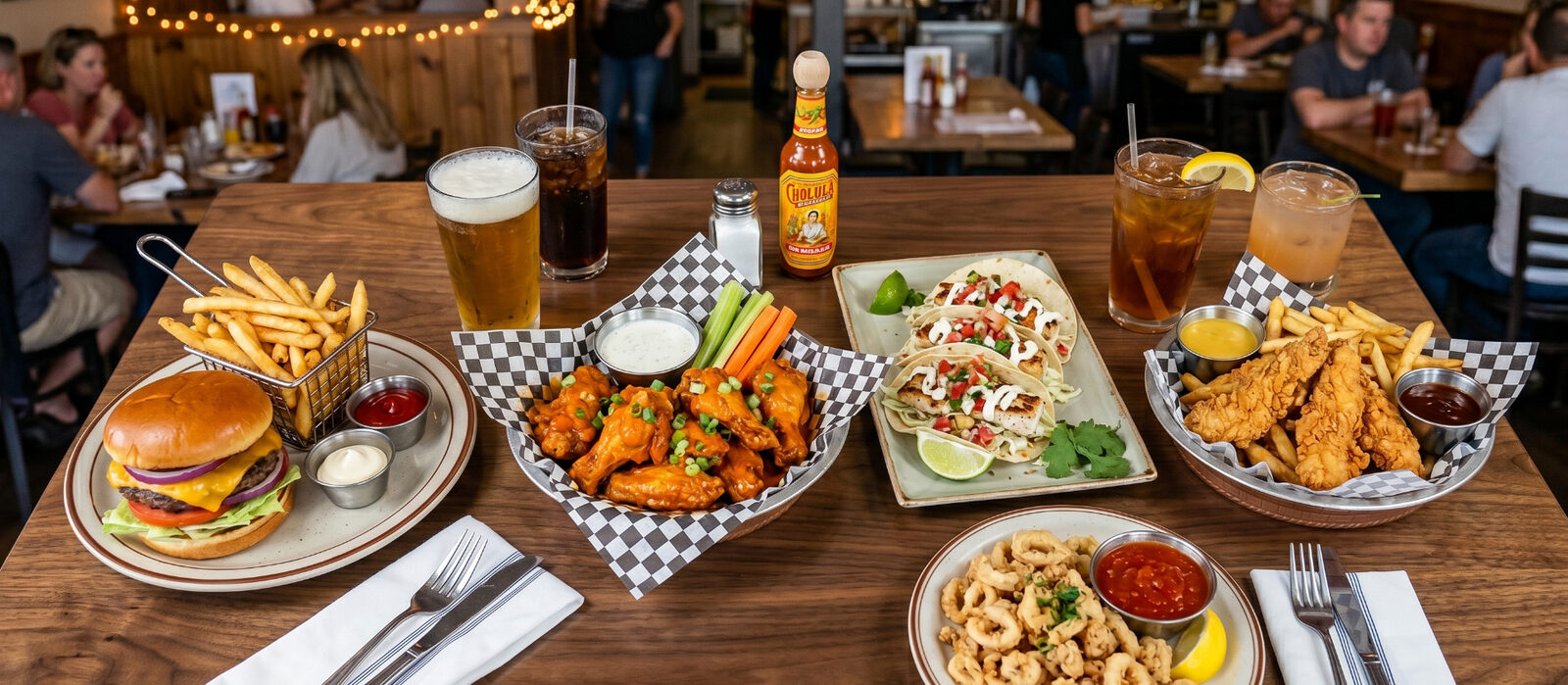
Instant access to official allergen information, dietary charts, and ingredient menus for the top 100 US restaurant chains — alphabetized and filterable by category.
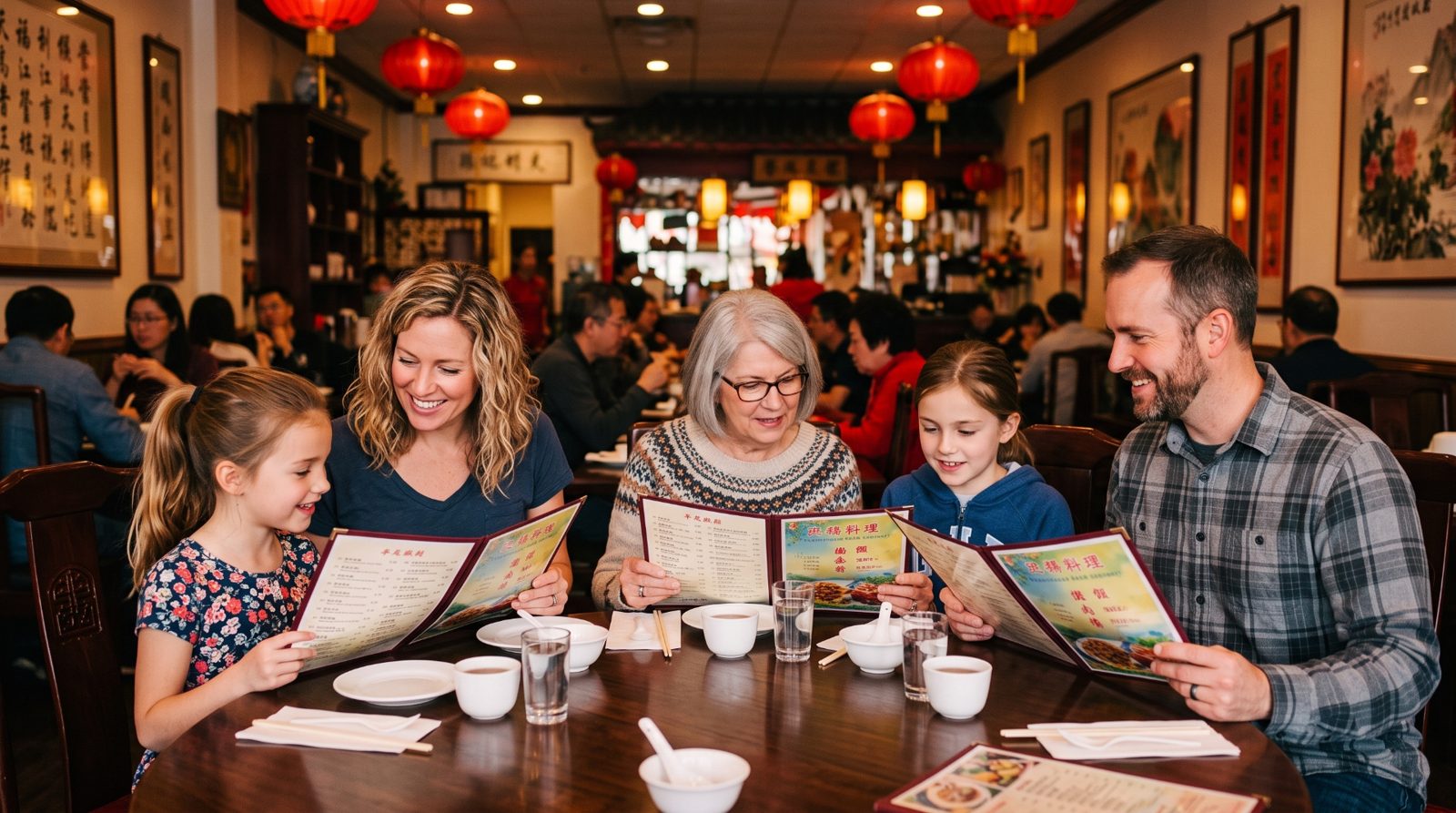
Navigating Chinese restaurant menus with a peanut allergy can be terrifying. Learn where peanuts hide and how to eat out safely.