
How to find allergy-friendly restaurants in an unfamiliar city.
Five proven strategies for mapping out a safe culinary network in any new city — from word-of-mouth networks to instant menu scanning.
Corn tortillas, chips, rice, and burritos: check the ingredients and shared equipment, plus dairy and nut risks if those are your allergens.
Last updated October 17, 2026
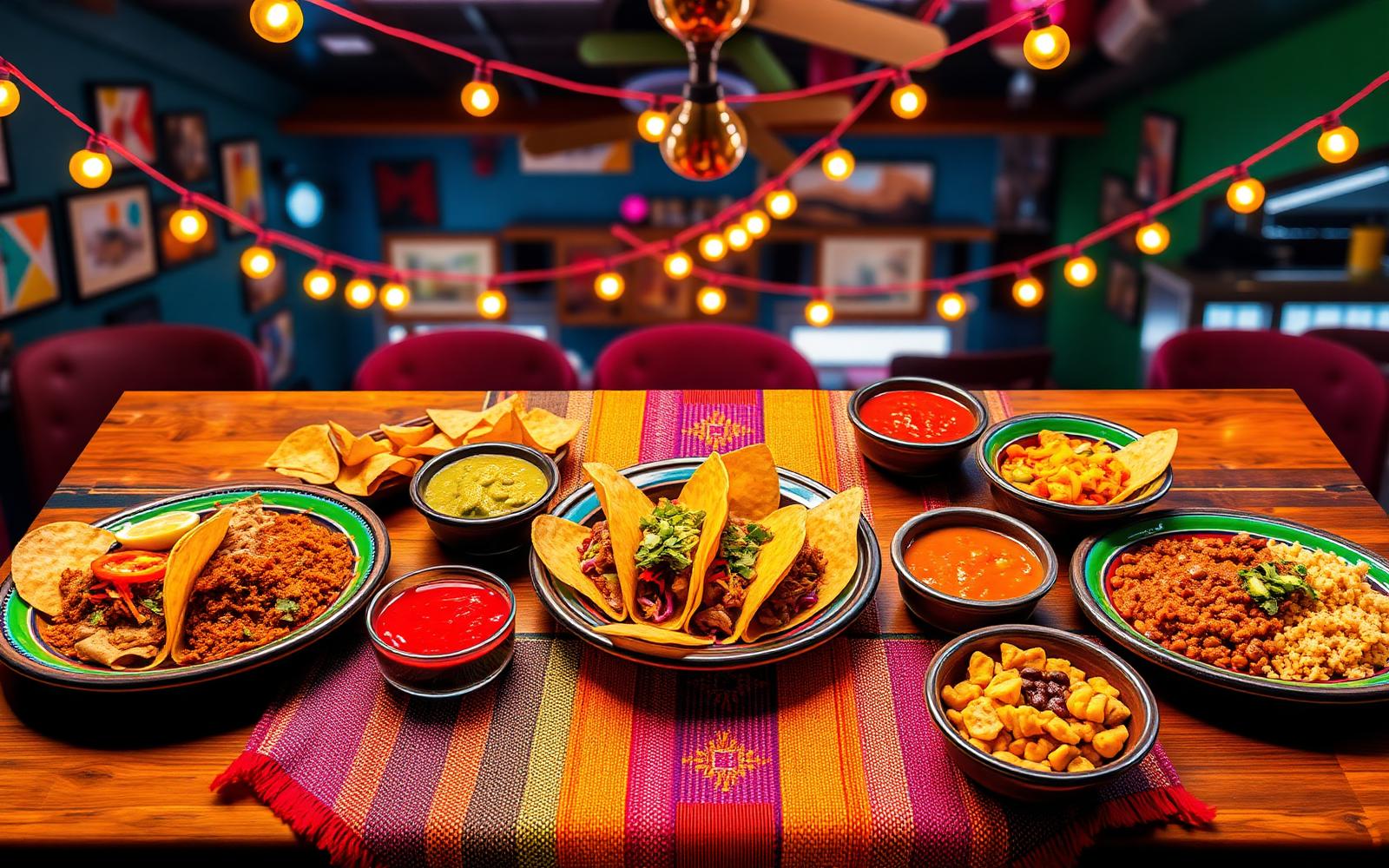
Some Mexican food is gluten-free, but not every dish or preparation is. Corn, plain rice, and beans are naturally gluten-free. Tacos made with 100% corn tortillas may be an option after checking fillings, sauces, and preparation; burritos made with wheat flour tortillas contain gluten. Corn tortilla chips need an ingredient check and a fryer that is not shared with gluten-containing foods. Ask about rice seasonings and broth, too — the grain alone does not tell you whether the finished dish is gluten-free.
These are conversation starters, not verified gluten-free orders. Confirm recipes and cross-contact precautions with the kitchen. Dairy, corn, peanut, tree nut, or sesame allergies require separate checks; mole recipes may include nuts or sesame.
If you are ordering with a dairy allergy, check cheese, crema, sauces, and whether rice or beans contain butter or milk. For peanut, tree nut, or sesame allergies, ask about the full mole recipe rather than relying on its name. Corn tortillas and chips are not suitable starting points for a corn allergy. As with peanuts on Chinese restaurant menus, the answer depends on your specific allergen and the kitchen’s ingredients.
Even when ingredients meet your needs, shared fryers, grills, and serving utensils can introduce cross-contact. Tell staff whether you have celiac disease or a specific food allergy and ask how your meal will be prepared separately.
Use the ingredient checks and server questions below to decide what to ask about before ordering. No checklist can guarantee a safe plate. If the kitchen cannot verify the recipe or preparation, consider another option — our tips for finding allergy-friendly restaurants in a new city can help.
Understanding how traditional sauces, marinades, and side dishes are prepared helps you catch hidden triggers before they ever reach your table.
Dairy is one of the most pervasive ingredients in Tex-Mex and traditional Mexican cooking. Beyond obvious shredded cheese and sour cream toppings, dairy hides in less expected places:
While corn is the traditional grain of Mesoamerica, wheat is common in modern kitchens:
If you have a corn allergy, Mexican restaurants require extreme caution because corn is foundational to the cuisine:
While nut allergies are less commonly associated with Mexican dining compared to Asian cuisines, one major staple poses a high risk:
Even if a dish's ingredient list looks completely safe on paper, kitchen preparation methods can introduce allergen trace amounts.
When ordering, skip broad statements like "Is this allergy-friendly?" and use specific, targeted questions instead, or hand over a chef card outlining your exact restrictions:
What to listen for: A safe response confirms a separate, dedicated fryer used only for corn chips. If the fryer is shared, skip the chips.
What to listen for: This quickly uncovers hidden dairy or meat derivatives that aren't listed in the menu descriptions.
What to listen for: Accommodating kitchens will gladly place a piece of clean aluminum foil on the griddle to shield your corn tortilla from flour and melted cheese residue.
Much of it starts that way — traditional Mexican cooking is built on naturally gluten-free corn, rice, beans, and fresh produce. The risk comes from modern additions and shared equipment: flour tortillas in burritos and quesadillas, flour-thickened enchilada sauces and queso, wheat-based anti-caking agents in packaged taco seasonings, and tortilla chips fried in oil shared with flour items like chimichangas.
The chips themselves are almost always 100% corn, but the fryer usually is not dedicated. If the kitchen fries flour taquitos, chimichangas, or breaded fish in the same oil, gluten transfers to every batch of chips. Ask whether chips come from a dedicated fryer before eating the basket that lands on your table.
No — treat it as off-limits unless the kitchen explicitly verifies the recipe. Traditional mole poblano is built on a paste of Mexican chocolate, spices, and peanuts, almonds, or sesame seeds, and recipes vary from kitchen to kitchen.
Pick what you avoid, add a menu, and see which dishes are safe, which to ask about, and which to skip.
What do you need to avoid?
One free check per visitor. No email needed to see your first results.
More practical guides to help you eat safely and confidently.
Five proven strategies for mapping out a safe culinary network in any new city — from word-of-mouth networks to instant menu scanning.

What is a food allergy card? Learn how customized chef cards and digital allergy translation cards protect you from cross-contact when dining out.
Instant access to official allergen information, dietary charts, and ingredient menus for the top 100 US restaurant chains — alphabetized and filterable by category.