
How to set up a kindergarten allergy 504 plan.
Your legal and logistical blueprint for sending a child with severe food allergies to kindergarten — from formal requests to classroom accommodations.
How to manage dining halls, dorm life, and social events safely without missing out on the college experience.
Last updated October 10, 2026
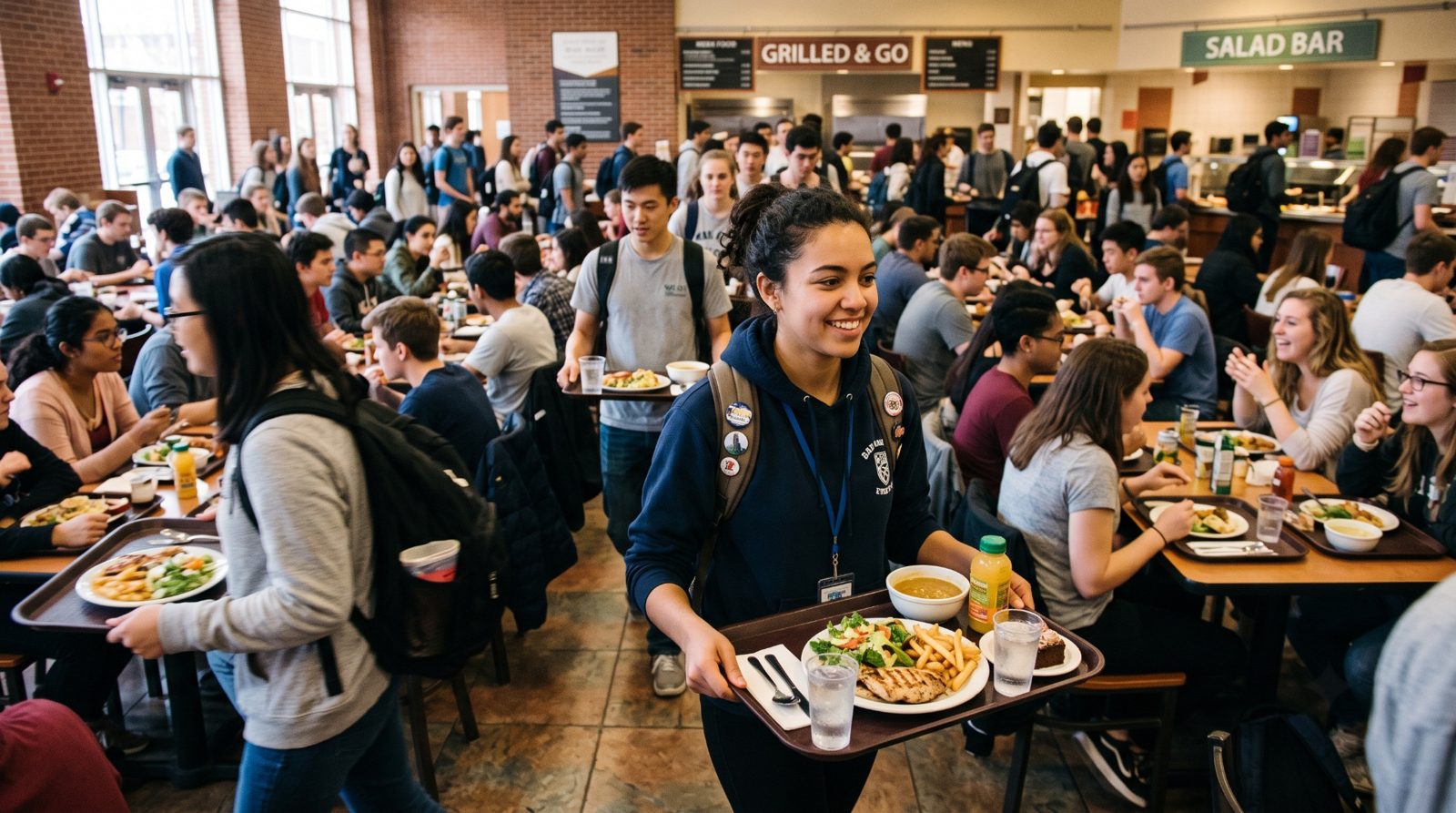
Transitioning to college is a major milestone, but for students living with life-threatening food allergies, Celiac disease, or severe dietary restrictions, it can also bring a wave of new anxieties.
For the first time, you are in total control of your daily food safety. You are leaving behind the comfort of a home kitchen and stepping into sprawling, fast-paced campus dining halls, late-night dorm socials, and shared cooking spaces.
The good news? Managing severe allergies in college doesn't mean you have to miss out on campus life. With the right preparation, self-advocacy, and digital safety tools, you can navigate your college years with complete confidence.
This comprehensive guide breaks down everything you need to know about campus dining halls, dorm safety, and social life with food allergies.
Campus dining halls cater to thousands of students daily, making cross-contact and hidden ingredients constant threats. Here is how to keep your plate safe:
A huge part of the college experience happens outside the classroom — late-night study sessions, club meetings, and weekend parties.
When you are rushing between back-to-back lectures and dining with new groups of friends, you need fast, reliable ways to verify your safety on the fly.
College dining menus often rotate daily or weekly. Before stepping into the dining hall or heading to an off-campus restaurant with classmates, use a digital menu scanner to filter the menu against your exact medical profile. Identifying safe, caution, and avoid items ahead of time eliminates ordering anxiety in long lines.
Explaining a complex list of allergies to a busy, student-staffed dining hall worker can be frustrating. Carrying a clear, high-contrast digital allergy card on your phone lets you show your exact boundaries — including custom restrictions and cross-contact rules — in one quick, professional glance.
Cooking in your dorm micro-fridge or apartment? Grocery store labels can use confusing scientific aliases for common allergens. Using an instant barcode or package label scanner ensures that pre-packaged study snacks and dorm meals are 100% safe before they hit your cart.
Register with your campus disability or accessibility office before the semester starts, then meet the dining hall's executive chef or registered dietitian during your first week. Stick to served stations instead of self-serve salad bars and cereal stations, and ask staff to pull fresh ingredients from the back kitchen to avoid cross-contact.
Yes. Severe food allergies are generally covered under the ADA and Section 504, so colleges must offer reasonable accommodations — such as access to allergen-free prep zones or custom meal orders. Submit your medical documentation, including a written food allergy action plan, to the accommodations office months before move-in day.
Plan for the shared pizza trap: keep safe, high-protein snacks in your backpack so you never feel pressured to eat unverified food. Verify drink ingredients if you have allergies to wheat, barley, or sulfites, and make sure your friends know where your epinephrine auto-injectors are and how to use them.
Have an open conversation with your roommates on day one. Set simple rules — clean sponges, no shared butter knives, and a designated shelf for allergens like peanut butter — so your dorm room stays a safe haven.
College dining menus rotate daily or weekly, so use a digital menu scanner like Stuff I Can Eat to filter the menu against your exact allergy profile before you head to the dining hall. You can also show staff a digital chef card that spells out your restrictions and cross-contact rules in one glance.
You have enough to worry about in college — midterms, group projects, and making new friends — without constantly second-guessing every meal.
Stuff I Can Eat acts as your personal digital food shield across your entire college journey — restaurants, campus dining and even your groceries.
Don't let food allergy anxiety hold you back from the best four years of your life.
More practical guides to help you eat safely and confidently.
Your legal and logistical blueprint for sending a child with severe food allergies to kindergarten — from formal requests to classroom accommodations.

A practical checklist for a new school year: medical paperwork, teacher handoffs, cafeteria logistics, and teaching your child to self-advocate.
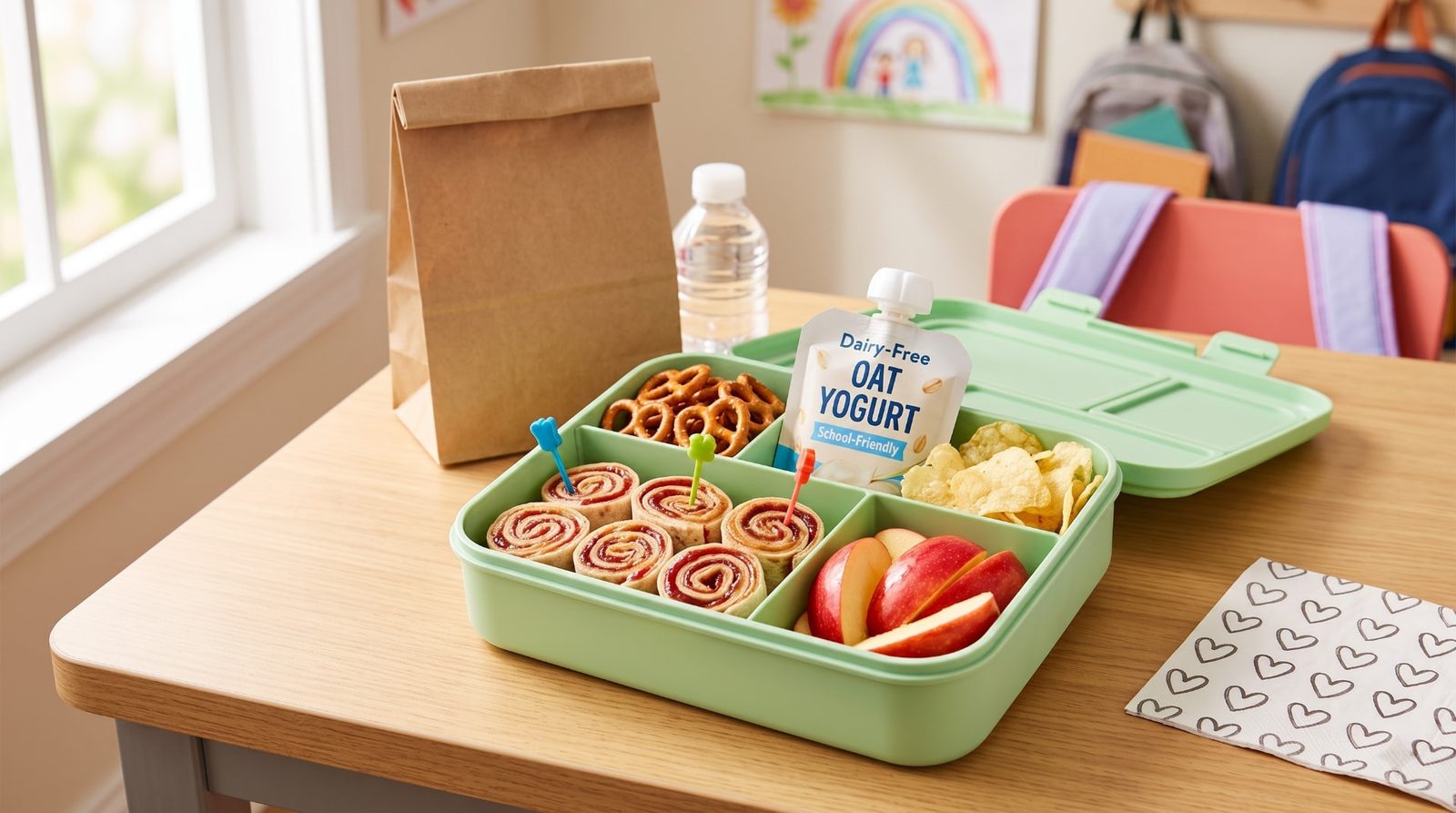
Pack safe, stress-free school lunches with 5 kid-approved lunchbox ideas free from gluten, dairy, and tree nuts, plus smart prep tips.