The ultimate back-to-school food allergy guide for parents.

A practical checklist, medical handoff guide, and classroom safety tips for families managing food allergies or Celiac disease.

Parent and teacher greeting a young boy with a backpack and lunchbox on the first day of school in a bright classroom

Sending your child off to a new school year is a milestone filled with excitement, fresh supplies, and new routines. But when your child lives with severe food allergies or Celiac disease, the back-to-school transition can bring a heavy dose of anxiety.

With changing classroom rosters, new teachers, bus rides, and shared cafeteria tables, ensuring everyone understands your child's medical safety boundaries requires proactive planning.

This comprehensive guide outlines the essential steps to prepare your child, communicate with school staff, and streamline emergency plans for a safe, stress-free school year.

1. Medical preparation & documentation (before day one)

๐Ÿฉบ Update medical action plans

  • Obtain signed anaphylaxis plans: Have your allergist or pediatrician sign an updated Food Allergy & Anaphylaxis Emergency Care Plan (such as the standard FARE form) before the first day of school.
  • Audit expiration dates: Check the expiration dates on all epinephrine auto-injectors and antihistamines to ensure they extend through the entire academic year.
  • Double-up on devices: Most school districts require at least two epinephrine auto-injectors to be stored in the nurse's office or classroom at all times.

๐Ÿ“ Review accommodations & school policies

  • Self-carry authorizations: If your child is in upper elementary, middle, or high school, verify whether your district requires signed authorization for them to self-carry epinephrine in their backpack rather than keeping it locked in a central clinic.
  • 504 Plan annual review: If your child has an active 504 Plan, schedule a brief meeting before or during the first week of school to review accommodations โ€” including desk wipe-down policies, non-food reward systems, and birthday party rules. New to the process? Our guide to setting up a kindergarten allergy 504 plan walks through the paperwork step by step.

2. Classroom & staff handoffs

๐Ÿซ The "teacher handoff" meeting

Schedule a quick face-to-face or virtual meeting with your child's primary teacher before school starts:

  • Provide a visual safety sheet: Hand over a one-page summary or printed Child Safety Profile featuring a recent photo, list of confirmed allergens, common symptoms, and emergency contacts. Our free printable caregiver action plan covers all of it in a single page.
  • Establish a "safe snack box": Supply the teacher with a plastic container filled with non-perishable, safe snacks packed directly from home for unscheduled class rewards or unexpected celebrations.
  • Review craft hazards: Remind teachers that everyday classroom supplies can harbor hidden allergens โ€” such as traditional play dough (contains wheat), egg cartons (raw egg residue), or birdseed projects (nuts and seeds). If wheat is your child's trigger, our hidden gluten checklist is a useful reference.

๐ŸšŒ Don't forget secondary staff & bus drivers

Substitute teachers, art instructors, gym coaches, music teachers, and bus drivers are often forgotten during medical handoffs. Ensure secondary staff receive a copy of your child's emergency profile, and verify that bus drivers know your child's allergy status and emergency protocol. If explaining the stakes to extended family and other adults feels exhausting, these scripts for talking to family and friends work just as well with school staff.

3. Cafeteria logistics & daily routines

๐ŸŽ Packed lunches vs. school menus

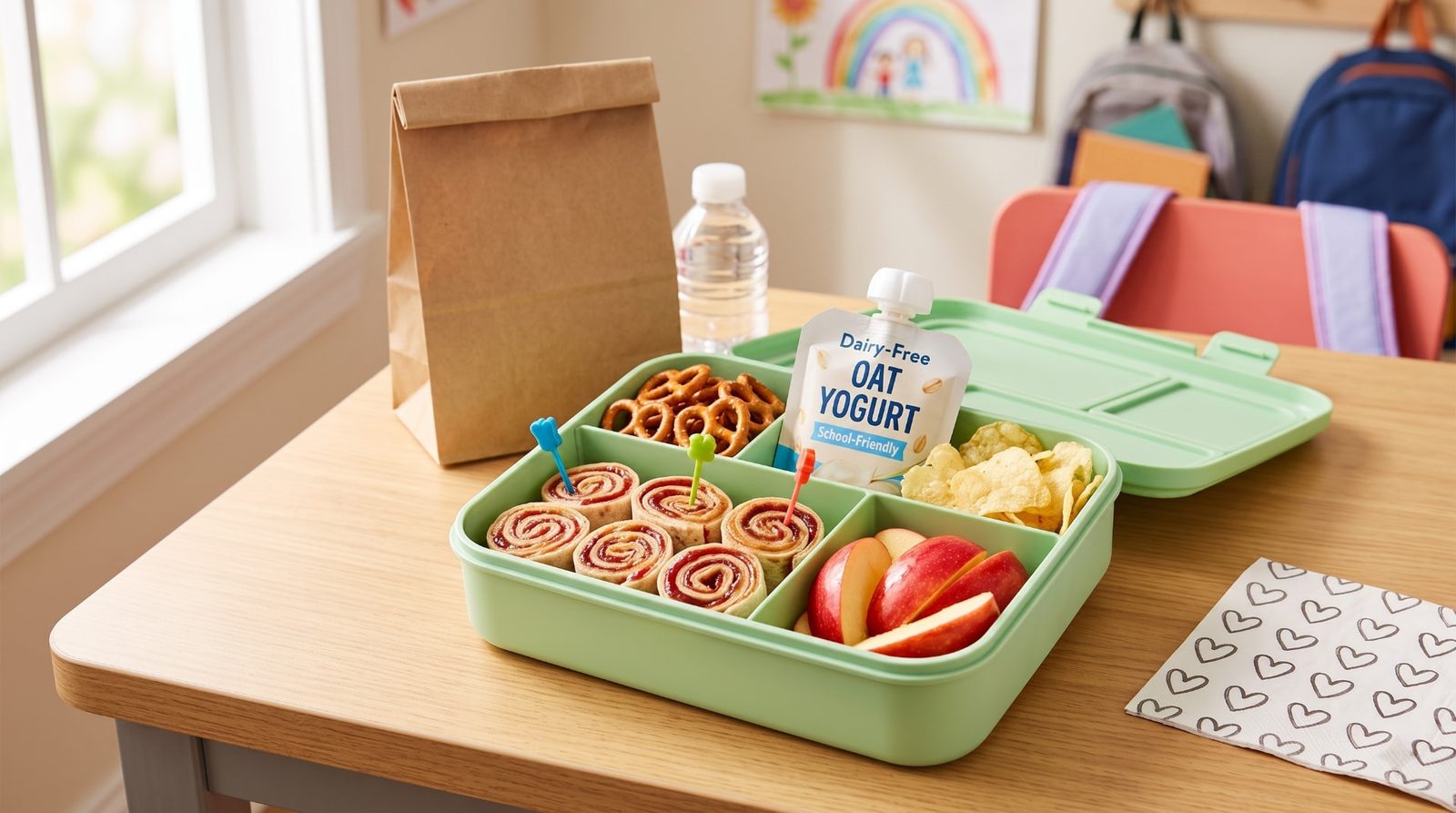
  • Packing from home: For younger children or those with multiple severe allergies, packing lunches and water bottles directly from home provides maximum safety and eliminates cafeteria cross-contact risks. Watch out for lunchbox staples with surprising ingredient lists โ€” like hot dogs and other processed meats.
  • Cafeteria menu reviews: If your child eats school-provided meals, meet with the school's food services director in advance to review ingredient panels and kitchen preparation procedures.

๐Ÿงผ Hygiene & social seating

  • Handwashing policy: Request that handwashing with soap and water be enforced before and after lunch. Hand sanitizer does not break down or remove allergenic food proteins.
  • Inclusive seating: If your school uses an "allergy-aware" lunch table, ensure your child isn't socially isolated by allowing safe peers (whose lunches have been checked) to sit alongside them.

4. Empowering your child (self-advocacy)

Prepping for the school year isn't just about managing adults โ€” it's also about empowering your child to speak up with confidence. Practice simple, age-appropriate scripts together at home:

  • "No thank you, I can only eat food packed directly from my home."
  • "Can you help me wipe down my desk before I open my lunchbox?"
  • "My tongue feels itchy and my tummy hurts โ€” I need to see the school nurse right now."

Those same habits carry all the way through graduation and beyond โ€” see our college dining and campus safety guide for what self-advocacy looks like once they're on their own.

๐Ÿ›ก๏ธ Streamline school safety with Stuff I Can Eat.

Managing school handoffs doesn't have to mean printing endless binders of paperwork.

With Stuff I Can Eat, keeping school nurses, teachers, and caregivers informed is effortless:

  • Share your caregiver action plan: Send a PDF of your child's custom profile so teachers and school staff can view safe food rules, cross-contact boundaries, and emergency contacts directly on their phones.
  • Printable allergy & chef cards: Generate clean, standardized safety cards to slip into your child's backpack, lunchbox, or medication kit.
  • Scan classroom snacks: Give teachers and room parents a quick way to double-check packaged treats by scanning ingredient panels with their phone camera.

Give yourself peace of mind this school year.

Further reading

More practical guides to help you eat safely and confidently.