
How to find allergy-friendly restaurants in an unfamiliar city.
Five proven strategies for mapping out a safe culinary network in any new city — from word-of-mouth networks to instant menu scanning.
Safe menu options, peanut oil facts, dairy and egg triggers, and the exact script to use at the counter or drive-thru.
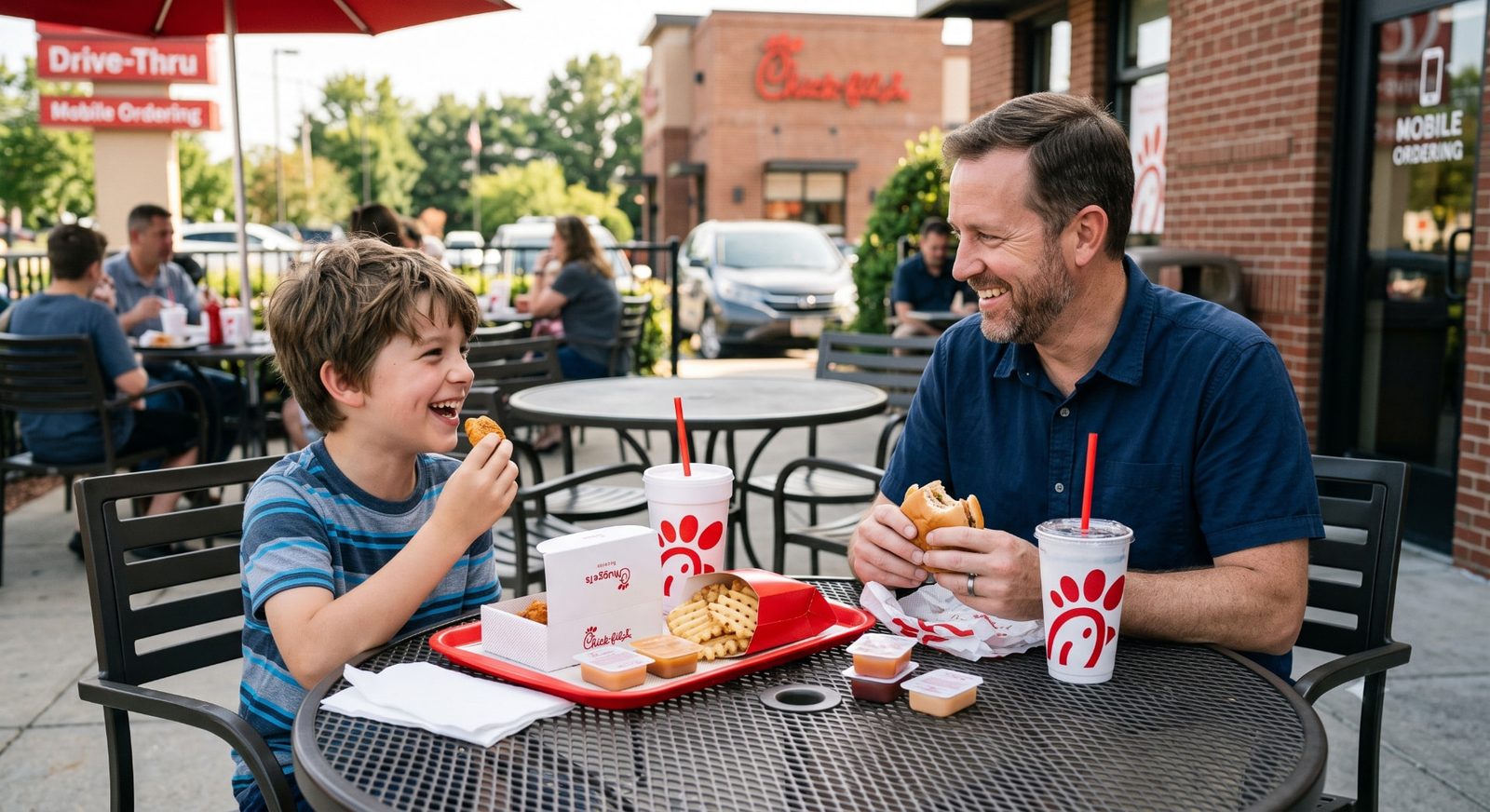
Last updated September 12, 2026 · Menu facts verified against Chick-fil-A's published allergen and nutrition information.
Chick-fil-A moves more chicken than almost any chain in the country, and its reputation for friendly service makes it a default choice for family meals and road trips. But if you manage a peanut, dairy, egg, or gluten allergy — or Celiac disease — the menu that looks simple on the drive-thru board hides a few traps worth knowing about before you order.
The big one is peanut oil: every piece of classic breaded chicken is pressure-cooked in it. Add a milk-and-egg wash in the breading, cheese-heavy sides, and a gluten-free bun that arrives sealed but shares a busy kitchen, and the difference between a safe meal and a reaction comes down to knowing exactly how each station works.
This guide breaks down every major allergen at Chick-fil-A, explains the science behind their cooking oils, and details safe menu options. For other chains, see our U.S. restaurant chain allergy menu directory.
Chick-fil-A provides dedicated prep protocols for certain items (like sealed gluten-free buns and separate fryers for waffle fries), but breaded poultry and dairy-heavy sides present cross-contact considerations.
| Allergen / condition | Risk level | Safety summary |
|---|---|---|
| Peanuts | 🟡 Moderate / nuanced | Pressure-cooked chicken uses 100% refined peanut oil (FDA exempt, but consult your allergist). |
| Tree nuts & fish | 🟢 Low risk | Zero fish or shellfish on the standard menu; tree nuts are restricted to sealed salad topping packets (almonds, granola). |
| Gluten & Celiac disease | 🟡 Moderate risk | Grilled chicken and waffle potato fries are gluten-free; dedicated gluten-free buns arrive pre-packaged. |
| Dairy / milk | 🔴 High risk | Present in all classic breaded chicken, regular buns, mac & cheese, cheese slices, and ice cream / shakes. |
| Eggs | 🔴 High risk | Used in the milk-and-egg wash for breaded chicken, brioche buns, breakfast scrambles, and mayonnaise-based sauces. |
| Soy | 🟡 Moderate risk | Waffle fries are cooked in refined canola oil with dimethylpolysiloxane; soybean oil is present in dressings and sauces. |
Chick-fil-A cooks all of its classic and spicy breaded chicken in 100% fully refined, bleached, and deodorized (RBD) peanut oil.
Chick-fil-A prepares its iconic Waffle Potato Fries in dedicated fryers using 100% refined canola oil. Because the waffle fry fryers are separated from the chicken pressure-cookers, the fries do not share cooking oil with breaded chicken or peanut oil. Hash browns served during breakfast are also prepared in the dedicated canola oil fryers.
To prevent cross-contact in the kitchen:
⚠️ Trace-exposure note: Sealed packaging removes counter contact, but shared prep areas still carry risk. Our guide to what "may contain" really means explains how to weigh trace-level warnings.
Wheat also hides in plenty of everyday staples — see hidden gluten in grocery ingredients.
Chick-fil-A does not serve fish or shellfish. Tree nuts such as sliced almonds and harvest nut granola are kept in individually sealed factory packets for salads and parfaits, minimizing loose nut dust in the assembly area. (Not sure which foods count? Here's what actually counts as a tree nut.)
When ordering at Chick-fil-A with severe food allergies, take advantage of their point-of-sale allergen flagging system.
🗣️ The drive-thru / counter script
"Hi! I am placing an order for someone with a severe [gluten / dairy / egg] allergy. Could you please mark this as a 'Red Flag Allergy' on the screen, have the kitchen change gloves, and ensure my grilled chicken is kept away from the breading line?"
Handing over a printed or digital chef card removes any doubt about what you can and can't eat.
Yes. Chick-fil-A Grilled Nuggets are marinated and cooked on dedicated grates without wheat flour, making them naturally gluten-free.
No. Chick-fil-A fries its Waffle Potato Fries and breakfast Hash Browns in 100% canola oil in dedicated fryers separate from the chicken fryers.
Chick-fil-A Sauce is dairy-free, but it contains egg (egg yolks from its mayonnaise base).
Menus change, limited-time items rotate in, and the allergen PDF on Chick-fil-A's website isn't much help when you're already at the speaker box.
With Stuff I Can Eat, you check the actual menu in front of you:
Pick what you avoid, add a menu, and see which dishes are safe, which to ask about, and which to skip.
What do you need to avoid?
One free check per visitor. No email needed to see your first results.
More practical guides to help you eat safely and confidently.
Five proven strategies for mapping out a safe culinary network in any new city — from word-of-mouth networks to instant menu scanning.

What is a food allergy card? Learn how customized chef cards and digital allergy translation cards protect you from cross-contact when dining out.
Instant access to official allergen information, dietary charts, and ingredient menus for the top 100 US restaurant chains — alphabetized and filterable by category.