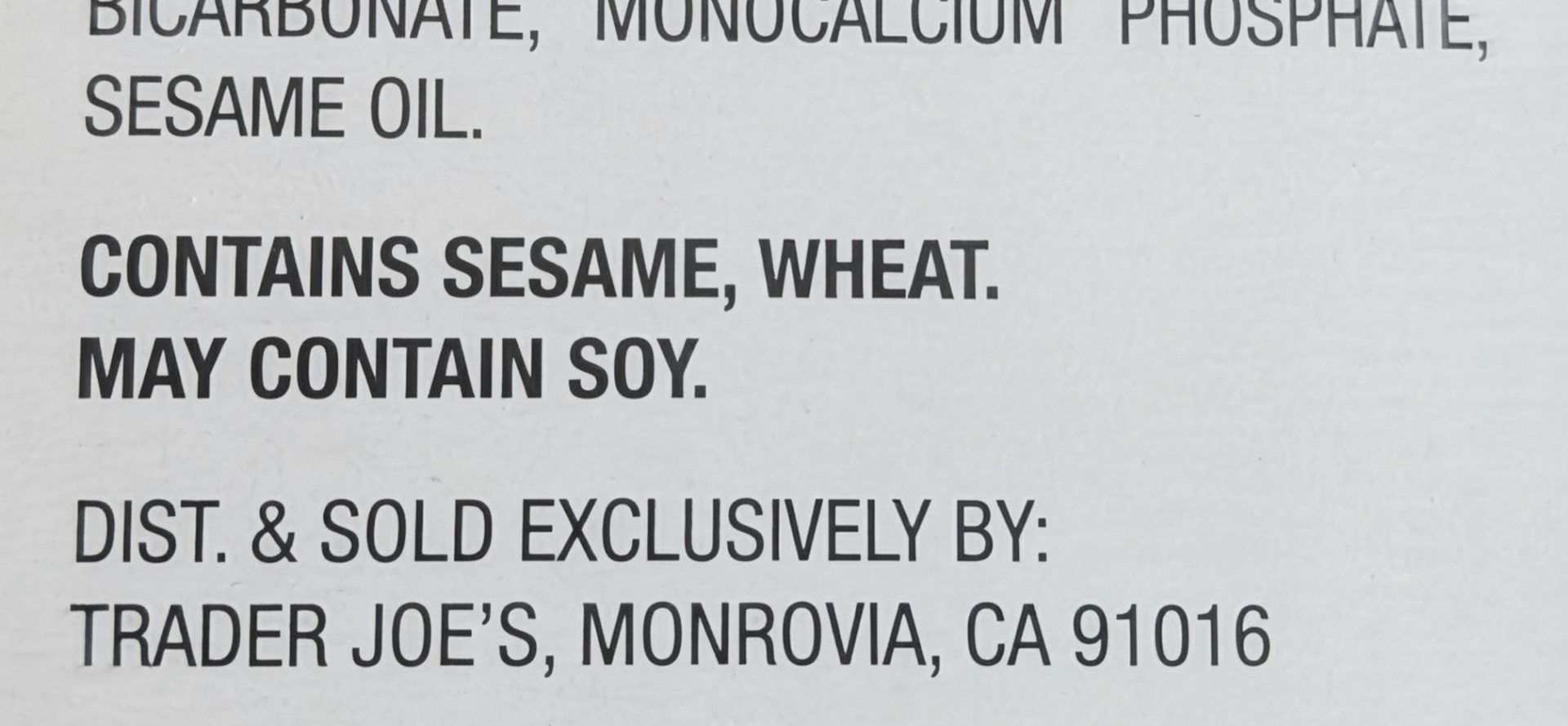
What does 'may contain' mean? Food allergy label guide.
"May contain" warnings are voluntary — and no warning doesn't mean a food is safe. What these labels really mean, and when to walk away.
Managing a dairy allergy? Learn how to spot hidden milk ingredients like casein, whey, and lactylate, avoid label traps, and read food packages with confidence.
Managing a dairy allergy or severe milk sensitivity is rarely as straightforward as skipping cow's milk, cheese, and butter. In modern food manufacturing, milk-derived proteins and chemical derivatives are used as emulsifiers, binders, browning agents, and flavor enhancers across thousands of processed foods.
Under US labeling laws (FALCPA / FASTER Act), major food allergens like milk must be declared in plain English in the ingredients list or "Contains" statement of packaged foods. However, cross-contact warnings are voluntary, imported products may follow different standards abroad, and confusing chemical names can still leave shoppers second-guessing every item in their cart.
This guide breaks down every hidden name for dairy, clarifies which scientific-sounding ingredients are actually safe, and exposes the common grocery aisle traps you need to know.
If you have an IgE-mediated milk allergy or an autoimmune reaction to milk proteins, steer clear of packages listing any of the following ingredients. (Not sure which category you fall into? Start with food allergy vs. food intolerance.)
| Hidden dairy ingredient | What it is | Where it commonly hides |
|---|---|---|
| Casein & caseinates (calcium, potassium, sodium caseinate) | The primary structural protein in mammalian milk. | "Non-dairy" creamers, processed deli meats, protein bars, nutrition shakes, and imitation cheeses. |
| Whey & whey protein (hydrolysate, isolate, concentrate) | The liquid byproduct of milk curdling and cheese production. | Baked goods, margarine spreads, potato chips, gravies, and energy bars. |
| Ghee (clarified butter) | Simmered butter fat with water evaporated; retains residual casein and whey proteins. | Curries, seasoned popcorn, pastries, and sautéed packaged frozen meals. See our Indian food dairy allergy guide. |
| Lactalbumin & lactoglobulin | High-potency whey protein fractions. | Baby formulas, protein powders, processed baking mixes. |
| Lactoferrin & lactoperoxidase | Whey proteins with antimicrobial properties. | Specialized nutritional supplements and fortifiers. |
| Hydrolyzed milk protein | Chemically broken-down milk protein. | Bouillon cubes, seasoning packets, meat flavorings. |
| Recaldent (CPP-ACP) | Casein phosphopeptide used for enamel remineralization. | Specialty chewing gums and dental products. |
| Nougat & caramel color/flavoring | Confectionery mixes that frequently use milk solids or cream for texture. | Candy bars, baked sweets, dessert sauces. |
It is easy to see the root word lact- and assume an additive comes from a cow. However, several common food additives are derived from plants, fermented sugars, or mineral synthesis and are completely dairy-free:
Even experienced label readers get caught off guard by these three product categories. If you also avoid gluten, pair this with our hidden gluten grocery checklist.
The FDA allows products to be labeled "non-dairy" even if they contain milk derivatives like sodium caseinate (commonly seen in powdered coffee creamers and whipped toppings). If you have a milk allergy, always look for "Dairy-Free" or check the ingredient panel for caseinate rather than relying on "Non-Dairy" claims on the front of the box.
Pre-sliced deli turkey, ham, pepperoni, and hot dogs often use sodium caseinate or hydrolyzed whey as binders to retain moisture and improve texture. Slicing deli meats on shared grocery deli slicers also presents a massive cross-contact hazard with cheeses. Our guide to hidden allergens in hot dogs goes deeper on packaged meats.
Tired of squinting at tiny font on packaging or stressing over hidden casein and whey derivatives in the grocery aisle? Skip the guesswork before you buy.
With Stuff I Can Eat, checking your food is fast, accurate, and completely mobile-first:
Casein, whey, ghee, and hydrolyzed milk protein hide in thousands of everyday products — and recipes change without warning.
With Stuff I Can Eat, you can scan grocery labels and barcodes, check restaurant menus, and carry a digital allergy card everywhere you eat.
More practical guides to help you eat safely and confidently.
"May contain" warnings are voluntary — and no warning doesn't mean a food is safe. What these labels really mean, and when to walk away.

Scan a barcode or snap an ingredient label and see instantly whether a packaged food is safe for your allergies — a step-by-step walkthrough.

A free printable list of every deceptive ingredient name that hides gluten — wheat aliases, barley malt traps, red-flag additives, and safe lookalikes.